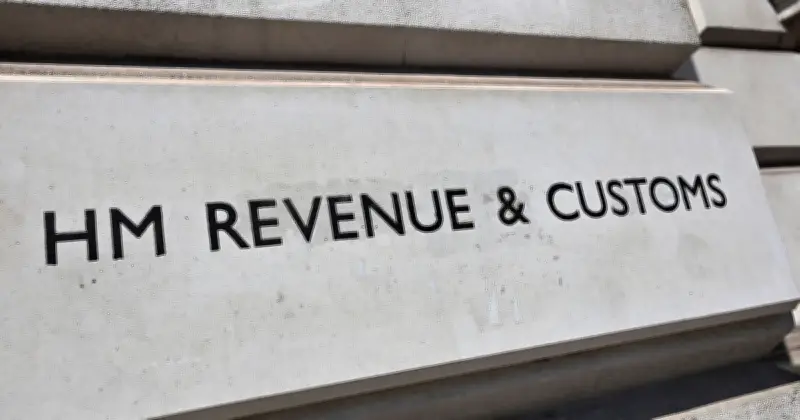
HMRC is set to triple a key tax-free allowance, allowing UK households to earn up to £3,000 a year tax-free, up from the current £1,000 limit. The change was announced in today's Budget documents.
Budget announcement confirms increase
The government confirmed: "The government will increase the Trading Allowance from £1,000 to £3,000, allowing individuals to receive up to £3,000 of trading and miscellaneous income tax-free each year. This will be introduced through Finance Bill 2026-27 and will take effect from 6 April 2027."
HMRC explains that the current allowance lets individuals receive up to £1,000 each tax year in tax-free allowances for property or trading income from 6 April 2017. If a person has both types of income, they get a £1,000 allowance for each.
How the allowance works
If annual gross property income is £1,000 or less, individuals do not have to tell HMRC or declare this income on a tax return, though they may still need to complete a return for other income. Similarly, if annual gross trading income is £1,000 or less, registration for Self Assessment may not be required, but there are circumstances when it is.
For those with gross trading or property income above £1,000, the tax-free allowances can be used instead of deducting expenses or other allowances. Using the allowances allows a deduction of up to £1,000, but not more than the amount of income—known as 'partial relief'. If expenses exceed income, it may be more beneficial to claim expenses instead.
Gross income refers to the total amount entered on a tax return before any allowances or expenses are deducted, whether using cash basis or traditional accounting. There may be circumstances where individuals choose to complete a tax return even if their income is £1,000 or less.