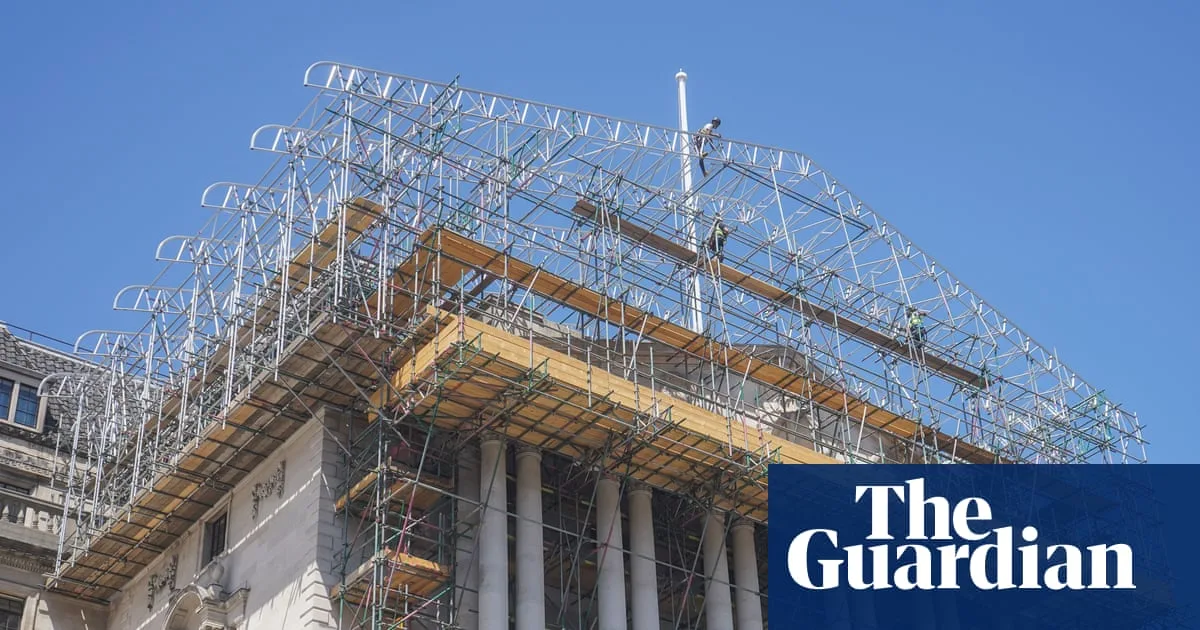
Bank of England Governor Andrew Bailey has indicated that the central bank is in no hurry to raise interest rates, citing uncertainty surrounding the Iran war and weak UK economic growth. Speaking at a conference in Reykjavik, Bailey said borrowing costs are likely to remain at 3.75% through the summer, as it is tolerable for inflation to temporarily exceed the 2% target given the current crisis.
Bailey noted that the economic situation has deteriorated since the start of the bombing of Iran by the US and Israel, with energy costs spiking. He stressed the need to monitor the Middle East situation closely and adjust policy as required. The governor added that tolerance for above-target inflation would weaken if signs of second-round effects, such as persistent price increases, begin to emerge.
Financial markets, which earlier this year expected two rate cuts to 3.25%, now forecast a 0.25 percentage point rise to 4% before December. Bailey acknowledged that mortgage costs have already risen as lenders reversed expectations of rate cuts, effectively tightening policy without the Bank needing to act. He noted that the cost of new five-year fixed-rate mortgages has increased by about 1 percentage point, dampening the housing market.
Bailey also pointed to a reversal in bond market positioning, with hedge funds overestimating the likely downward path of interest rates. This has increased the cost of financing the government's £3 trillion debt, though the trend has eased in recent weeks. The Bank is now better prepared to assess the impact of rising energy costs, having adopted scenario planning after the inflation surge following the Russian invasion of Ukraine.