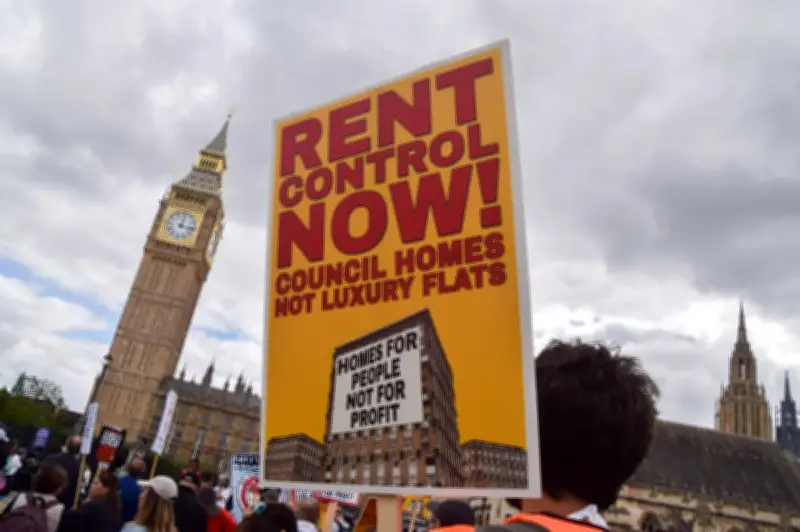
Tenants in London are successfully challenging rent increases under the new Renters' Rights Act, with some saving as much as £2,500 a year through tribunal rulings.
Jenny Taylor, 30, and her boyfriend Ben Persaud, 28, an animator, moved into a one-bedroom flat above a parade of shops in Crouch Hill in May last year, paying £1,700 per month. This May, their estate agent informed them the rent would rise to £1,800 per month.
"My gut reaction was: no way," says Persaud. Taylor, who supplements her salary as an account manager for a tech consultancy with pet sitting, agreed: "It would have had a really bad effect on us."
First Wave of Tribunal Challenges
A friend who is a member of the London Renters' Union told the couple their timing was perfect. The Renters' Rights Act had just come into force, allowing private tenants to challenge rent increases through a tribunal. They were among the first wave of tenants eligible to use the new system, which involved filling in a form online and providing evidence of similar homes recently let in the area.
In September, they learned their bid to keep the rent at £1,700 had been upheld, saving them £1,200 a year. Persaud noted the unfairness of the system: "Landlords know that there will always be someone else willing to pay whatever they ask, so they just ask for more and more."
Landlords' Increases Backfire
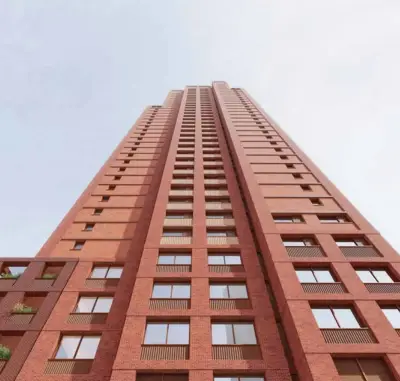
Davide Martinelli lives in a build-to-rent flat in Elephant & Castle, managed by Get Living. When his rent was increased from £2,560 to £2,577 per month, he complained to the tribunal. It found the rent he was paying was already too high, even without the increase, and set a rent level of £2,350, saving him more than £2,500 over a year.
A spokeswoman from Get Living said: "We support the Renters' Rights Act and its aim of improving the standard and experience of private renting, and we respect tenants' rights to challenge a proposed rent increase. We remain confident that the rents we propose are consistent with the market and with the quality of service and amenities provided. This is the only instance since the act came into force in which a tribunal has set a rent below the level Get Living has proposed."
Challenging a 26% Increase
Olga Kondaurova moved into her newly built one-bedroom apartment in Shadwell five years ago, initially paying £1,550 a month. By last year, she was paying £1,950 per month, a jump of 26 per cent over four years, partly due to post-pandemic demand that spiked prices in 2024. This summer, the landlord proposed raising the rent to £2,075 per month.
"Each time they introduce rent increases there is no negotiation," she says. "They just say you are welcome to leave, or you pay the new rent. They don't treat us like humans, when we communicate with them we have to talk to Chat GPT."
Olga paid the £47 fee, submitted evidence about local rent levels and the building's problems—including frequent lift outages, leaks, mould, and lax security—and in September the tribunal ruled her rent should be frozen at £1,950. She is now spreading the word on her building's WhatsApp group.
Since the Renters' Rights Act became law, the First-tier Tribunal has supported renters in 70 per cent of decisions made, either reducing or rejecting landlords' proposed rent increases. Landlords cannot evict tenants who exercise their right to challenge a rent increase, whatever the ruling.