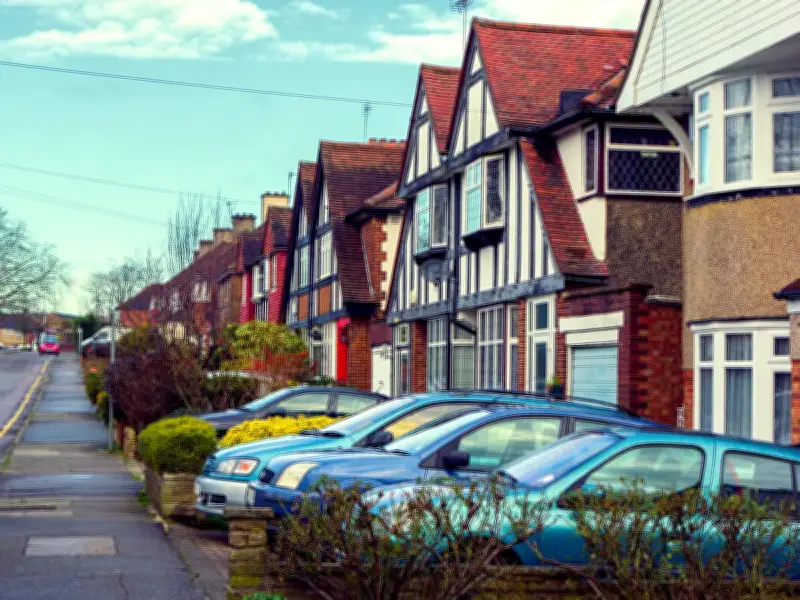
HMRC will send valuation agents to inspect some properties in England to determine whether they are liable for the new mansion tax. Homeowners who refuse entry to the inspectors would technically be committing a criminal offence and could face a fine of up to £200.
Mansion tax details and affected properties
The mansion tax applies to properties in England valued at more than £2million, with London and the South East expected to be worst affected. The surcharge, due to come into force from April 2028, will be an annual charge ranging from £2,500 to £7,500, depending on the property's value.
HMRC will use existing council tax and public records to identify properties that may be subject to the tax. However, according to the Telegraph, the Valuation Office, which is part of HMRC, said inspections would be conducted where "attributes can only be confirmed internally or a re-measurement is required".

Inspection process and valuation methods
Inspectors would examine the size of a home, including the number of floors, rooms, bedrooms and bathrooms. An HMRC spokesperson said they do not routinely visit properties and any visits would be agreed before they take place.
An HMRC spokesperson said: "Our professional valuers use a range of freely available information sources to ensure valuations are based on the most up-to-date information. In the vast majority cases, we will be able to make banding decisions using existing information without the need to visit a property."
Impact and revenue estimates
Jonathan Russell, head of the VOA, told MPs in January that properties valued at £1.5million will likely be reviewed "just to make sure we're not missing anything".
The Office of Budget Responsibility (OBR) estimates 165,000 properties will be affected by the mansion tax in its first year. The surcharge, announced by former Chancellor Rachel Reeves in 2025, is intended to target more expensive homes to make the system fairer, with the typical family home in England currently paying more per year in council tax than a £10million property in London's Mayfair.
The surcharge will be introduced in four price bands, starting at £2,500 annually for properties worth more than £2million, rising to £7,500 for those exceeding £5million. The Government estimated it will raise more than £400million by 2029/30. The OBR's analysis suggests the new tax could also lead to fewer expensive homes being built or may provide an "incentive" for owners to split large properties into smaller ones to avoid the extra charge.