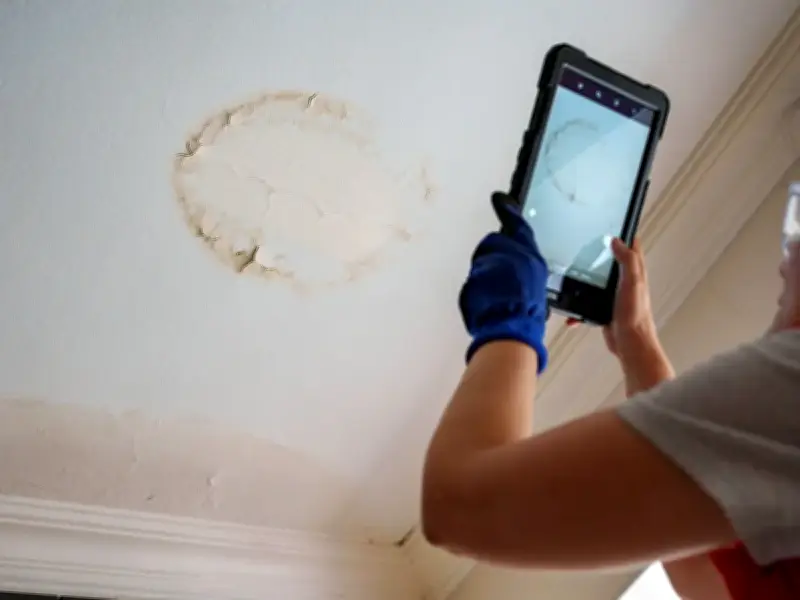
As the clocks go back and temperatures drop, condensation and mould are starting to appear in homes across the UK. To prevent this issue from worsening, it is crucial to inspect your property and deal with any dampness before it becomes entrenched. Left untreated, damp encourages mould growth, which can pose serious health risks.
Why the clocks change is a critical moment
Kevin Brown, a renovation and home expert at aluminium window manufacturer The Heritage Window Company, says the clocks going back represents a critical moment for household moisture levels.
He explained: "As evenings get colder and darker earlier, people tend to naturally spend more time inside - so that means more cooking, showering, drying clothes and so on. Moisture builds up inside while windows and walls get colder from the outside, so this causes more streaming windows and more mould spots after the clocks change in October."
The 10-minute check to prevent damp
Kevin urges everyone to spend just 10 minutes before winter truly sets in to thoroughly examine their property and stop damp problems from worsening. He advises walking through the home's interior and inspecting the outside too.
He said: "Start with ventilation by checking points of air transfer. See if extractor fans work, make sure trickle vents are open, and air bricks aren't blocked. Then look at how or where water could get in. Take a look at gutters and downpipes and then consider the condition of your windows themselves. Failed putty, flaking paint or gaps around the frame can all allow rain through."
Improving air circulation and spotting weak points
Inside, mould often builds up in areas with poor air circulation, such as behind sofas and wardrobes pushed up against a wall. Kevin advises shifting them a few centimetres away from the wall to improve air circulation significantly.
Clogged gutters can also lead to damp problems, particularly with older timber-framed windows. Kevin explained: "Blocked gutters and slipped tiles can be big culprits, causing overflows that often run straight down onto your windows' exterior sills, leading to rotten timber and damp. Think about when damp is appearing - if you're finding damp after heavy rain, you're likely to have a weak point."