
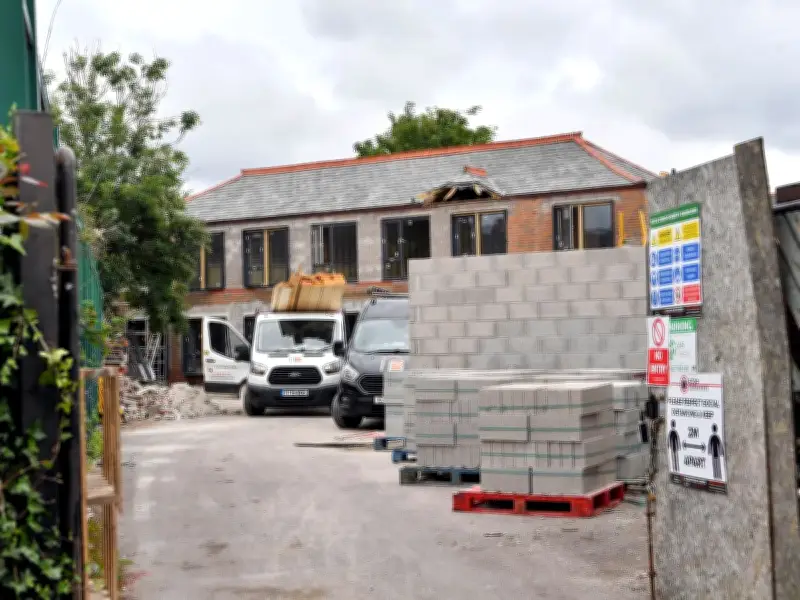
Student accommodation in Cathays in Cardiff could be turned into a co-living space. The applicants argue it would help to reduce the pressure on the number of regular homes turning into houses in multiple occupation (HMOs) in Cardiff's student area.
Plans for Waypointe on Letty Street
Cardiff-based Sedna Group Ltd have put a bid to Cardiff council to turn student accommodation known as Waypointe on Letty Street in Cathays into co-living accommodation. Pending approval, the space will be split up into four apartments made up of six bedrooms each, with shared living facilities for each apartment.
Planning documents read: “The proposed co-living accommodation will deliver a number of public benefits. It will provide additional housing choice, contribute towards Cardiff’s housing supply, support the provision of relatively affordable accommodation, offer a managed alternative to traditional HMOs, and make efficient use of an existing building which is already in quasi-residential use.”
From office to student block to co-living
The site was previously an office building before being converted into student accommodation in 2021. Despite the plans to move away from student accommodation, the new set-up “closely mirrors” its previous use.
Each of the six bedrooms will be arranged around a shared kitchen, dining area and social space, and all bedrooms are planned to be ensuite.
According to the plans “the pattern of occupation, level of activity and residential function of the building will remain substantially unchanged from the existing lawful use”.
Parking and travel impact
The proposed layout shows a single car parking space along with cycle parking for up to 24 bikes. According to planning documents previous use was characterised by “low levels of car ownership and a high reliance on sustainable transport modes”.
The documents add: “Future occupiers are expected to demonstrate similar travel behaviour to existing residents, with a strong reliance on walking, cycling and public transport.
“Consequently, the proposal is not anticipated to generate any significant increase in parking demand or vehicle movements when compared with the lawful student accommodation use.”
Regarding the impact on the area, plans state: “The application does not involve the construction of a new residential building and does not constitute a significant net increase in residential development.
“Instead, it represents the reconfiguration and continued residential occupation of an existing building already approved and occupied as communal accommodation.”




