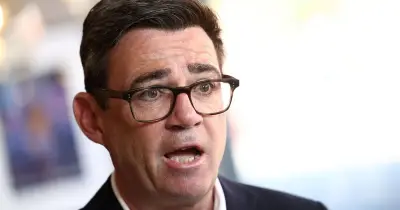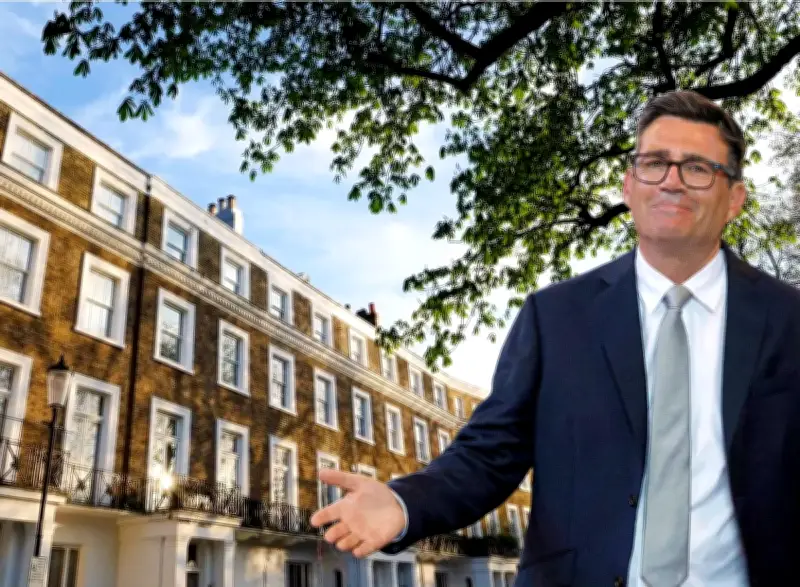
Andy Burnham is facing growing pressure from the Left to introduce a landmark overhaul of property tax that could leave hundreds of thousands of Londoners with higher bills of up to £1,200 a year.
The Prime Minister has previously backed replacing council tax and stamp duty with a proportional property tax (PPT), a move that could leave London paying £7.5 billion more. Mr Burnham has made clear he has no plans to imminently embark on such a major shake-up, but the reform is backed by many Labour MPs and activists.
Former adviser pushes reform
Michael Jacobs, Emeritus Professor of Political Economy at Sheffield University and a former special adviser to Prime Minister Gordon Brown, is pushing for the change. He is editing a publication for the Left-leaning think tank Compass that includes 70 policies Mr Burnham could adopt as part of his radical blueprint to change Britain.

Mr Burnham's reforms include the biggest "devolution of power in modern times", which could see tens of thousands of jobs axed from Whitehall. Prof Jacobs dismissed claims that the Prime Minister will have to ditch many of his ideas as he faces the economic reality of Government.
"That view is incredibly dangerous and is wrong," he told BBC radio. Asked to name one of the proposals in the Compass document, he added: "Abolition of council tax and stamp duty and their replacement by a proportional property tax which would benefit a very large number of council taxpayers but mean that people who own larger and more valuable homes pay more."
How the new levy would work
There are various forms of PPT, and Prof Jacobs did not give details of the proposal for Compass. The one Mr Burnham has previously supported is the scheme promoted by the Fairer Share campaign. The new levy would be based on 0.48% of the value of a property, or 0.96% for second homes, empty properties and those owned by foreign nationals.
It would mean hundreds of thousands of Londoners facing higher property bills of up to £1,200 a year initially under a cap system. Many Londoners in less costly homes would also pay less under the reforms, which would predominantly benefit areas outside of the capital. Overall, the city would face an additional property tax bill of £7.5 billion annually.
The growing debate on property tax came as the average house price in central London plunged 25% in a year, with parts of the economy rocked by Donald Trump's Iran war and after Rachel Reeves introduced the "mansion tax" on homes worth £2 million or more, which is due to come into force in 2028. The new levy will hit London and the South East particularly hard.
Think tanks call for fiscal shift
Another Left-leaning think tank, the Institute for Public Policy Research, also argued that the UK needs to shift taxes away from young workers towards older people and property. In a paper written by Oxford professor Ben Ansell, it calls for a new "fiscal contract" and suggests extending national insurance to older earners, replacing council tax and stamp duty with a PPT, and equalising capital gains tax with income tax rates, alongside an investment allowance to protect normal returns.
Prof Ansell said: "Our tax system has increasingly shifted responsibility towards younger workers while protecting many of those who have benefited most from decades of rising property and asset wealth."
The interventions come after Mr Burnham refused to rule out tax rises in the Budget, with London's income tax bill already hitting a record £80 billion a year. Questions remain over how some Labour promises, including £5 billion in defence spending announced before he entered No 10 and his plans for major reforms to the social care system, will be paid for given the state of the public finances.