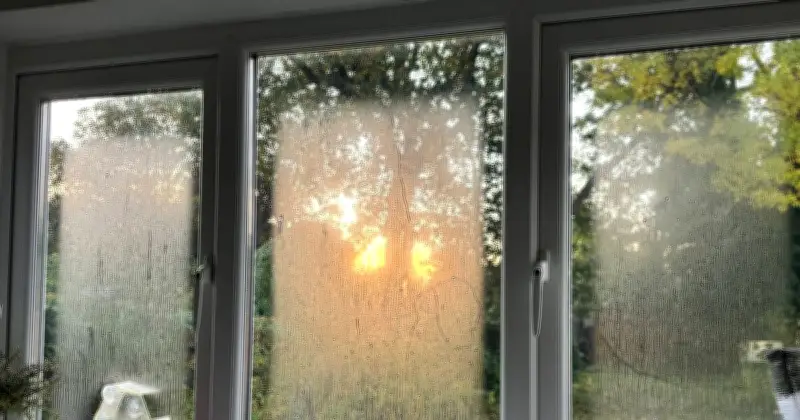
Waking up to condensation spreading across bedroom and living room windows is a familiar sight, and it can quickly lead to damp, mould and even damage to window frames and sills if left untreated. While a dehumidifier can help tackle excess moisture, it can be expensive, so a window specialist has suggested a cost-effective alternative that costs just 50p.
How the salt trick works
Allan Reid, double-glazed windows expert from Art Windows and Doors, said: "It sounds almost too simple to work, but it really does. A small bowl of salt acts as a natural dehumidifier, drawing moisture from the air before it can settle on your windows. It's an old trick, but one we still recommend to customers who want a quick, no-cost fix."
Alternative moisture-absorbing materials, including silica gel, can also prove effective, but salt is more readily available in kitchen cupboards.
Steps to prevent condensation
Simply position a small bowl or silica gel on your windowsill before retiring to bed in rooms susceptible to condensation. Remove any moisture first, preventing it from lingering there through the night. Crack open windows momentarily in the morning to expel any trapped humid air and ventilate the room.
The expert said: "Regularly replace the salt or silica gel once it becomes clumpy, as that's a sign it's absorbed as much moisture as it can."
Additional tips for a drier home
Reid also advised: "Keep trickle vents open where possible to maintain airflow even in cold weather. Make sure to also inspect and reseal older windows if needed, as damaged seals are a common hidden cause of persistent condensation. Think about repositioning furniture away from external walls to enhance airflow, too, which will help to minimise moisture accumulation."
He added: "All it takes is a few minutes each evening and small adjustments around your home. Using simple, low-cost methods like this can prevent winter condensation from causing long-term damage, keeping your home drier and healthier as temperatures drop."