The cost of comprehensive new business car insurance policies has remained stable over the past year, according to data based on more than six million quotes. The average premium has also dropped by £22, sitting at 17% lower than it was just two years ago, which could be welcome news as fuel prices are continuing to spiral out of control.
Young Drivers See Biggest Year-on-Year Savings
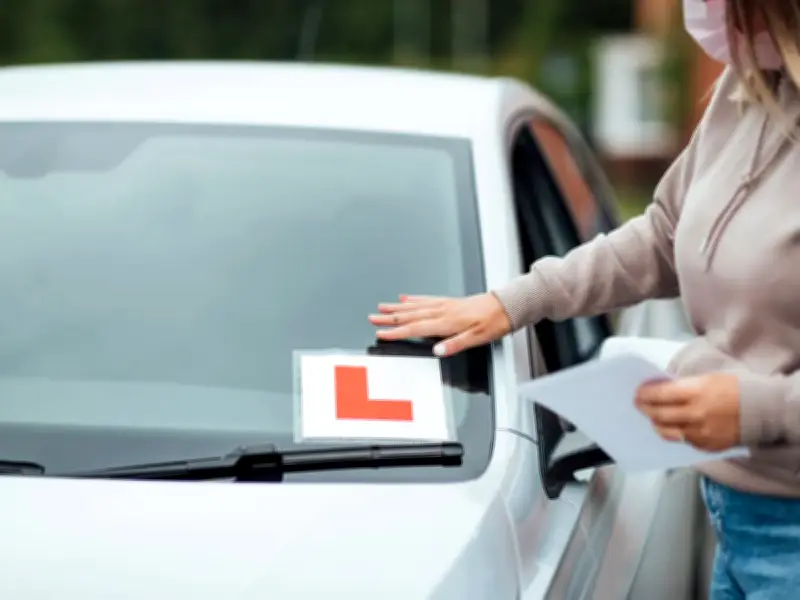
Young drivers are seeing some of the biggest year-on-year savings, according to the car insurance price index by Confused.com powered by WTW. Those aged 17 are now paying £1,755 on average for their car insurance, which is £253 (13%) less than a year ago.
Similarly, 18-year-olds are now paying £259 (11%) less than 18-year-olds were a year ago, with their average premium now £2,083 - though this is still the highest of any age group.
Older Drivers Face Rising Premiums
The data shows older drivers have also seen premiums rise, with 70-year-olds now paying £20 (5%) more than a year ago and spending an average of £411 annually. Retirement age drivers have particularly been affected by these increases.
Inner London has remained the most expensive area in the UK for car insurance, with motorists in the capital now paying an average of £1,079. Prices in Northern Ireland have risen significantly, increasing by £209 (25%) year on year, with the average premium now standing at £1,059 annually.
Shopping Around Can Save Motorists Money
Additional data found drivers could benefit from getting a quote 28 days before their renewal date to secure the best price for a new policy, with savings of up to 53% compared with buying a policy on the final day of their current cover.
Further research by the brand among 2,000 drivers found half (51%) have seen their renewal premium increase in the past three months. Exactly a year ago, insurance premiums averaged £735, meaning drivers who simply accepted their renewal price could now be paying more than £800 for their cover, around £90 more than the average premium paid today.
However, the research found shopping around for different quotes can save motorists a significant amount of money, with those who switched providers saving £80 on average. This is money many drivers could be losing by simply accepting their renewal price automatically.
Expert Advice on Reducing Premiums
Matt Crole-Rees, motoring expert for car insurance at Confused.com, said: “When you receive your car insurance renewal price, it’s easy to think that’s the best price you're getting. But that’s not necessarily the case.
“It’s also worth remembering your circumstances can change from year to year. You may need a different level of cover or want to update some details, and this won’t be reflected in the renewal price you receive.
“Running a new quote and updating your details or requirements, if needed, helps ensure you're getting the best policy at the right value for you.
“And that’s true even if your price has increased slightly over the past 12 months. Chances are you can still beat your renewal price if you shop around.”
Matt Crole-Rees added: “If you are starting to see your price creep up, there are still steps you can take to limit the increase.
“Shopping around early is key and could save you 53% compared with buying a policy on the day your current cover renews.
“And if someone else can occasionally use your car, adding them as a named driver may not only provide greater flexibility but could help reduce your premium too.”
Tips to Get the Best Car Insurance Deal
Be honest about your mileage. Under-declaring your mileage to secure a cheaper price can invalidate your policy, while overestimating it could mean you're paying more than you need to. Being accurate will help you get the most appropriate price for your circumstances.
Share the driving. If you live with a partner, parent or child who could use your car from time to time, consider adding them to the policy. Data shows sole drivers pay an average of £806 for their insurance, compared with £691 for those who have an additional named driver.
The harder your car is to steal, the lower the risk it represents to insurers. While most cars come with an immobiliser and alarm as standard, adding security devices such as a steering wheel lock or tracker could help reduce costs. It's also worth considering where your car is parked, particularly overnight.