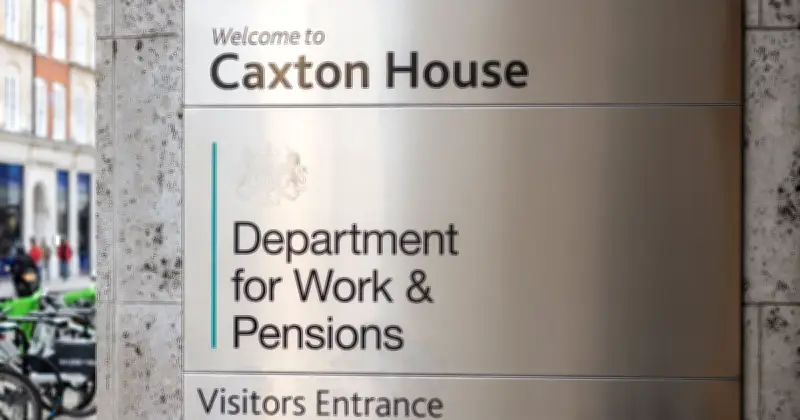
State pensioners are being alerted to a little-known benefits rule that affects those who stay away from home for 28 days or more, often in difficult circumstances. Many may not realise that Department for Work and Pensions (DWP) rules govern how certain state pension-linked benefits are paid to pensioners who require an extended hospital stay.
According to financial experts Pension Bee, the State Pension itself continues to be paid as normal while in hospital, whether on the old basic or new State Pension. However, other pension-related benefits are affected, including Pension Credit and Attendance Allowance.
Which Benefits Are Affected?
Pension Credit is a benefit that tops up income for those with less than a certain amount per week. It is open to anyone of State Pension age and pays out £238 per week, rising to £247.30 from April 2027. For older pensioners whose basic pension maxes out at £184.90 per week (£192.10 from April), Pension Credit can significantly increase income, and many rely on it to make ends meet.
New State Pensioners who do not have a full National Insurance record, and therefore do not get the full £241.30 per week, can also claim Pension Credit to top up their income closer to the full amount.
Pension Bee explains that Pension Credit eligibility is affected by time in hospital beyond 28 days. The firm states: "Pension Credit is a two-part benefit that supports those of state pension age whose income is below a certain threshold. It includes the Guarantee Credit and Savings Credit benefit schemes."
"If you receive either of these benefits and your hospital stay is longer than 28 days, the amount you receive might be affected," the firm adds. "This is because the amount of Pension Credit you receive is calculated to include income from other benefits - some of which may stop or be reduced if you're in hospital for more than 28 days."
Other Benefits and Reporting Requirements
It is not just Pension Credit that is affected. Attendance Allowance, Disability Living Allowance, and Personal Independence Payments may also be affected or stopped if in hospital for 28 days or more.
Age UK adds: "Your State Pension doesn't change, no matter how long you're in hospital. But some payments are suspended if you're in hospital for more than 28 days."
"If you transfer from hospital to a care home or community hospital for free short-term support known as intermediate care, this counts towards the 28-day limit," the charity notes. "If you receive Pension Credit, suspension of these benefits can affect the amount of Pension Credit you receive. When you leave hospital, you may be eligible to receive these benefits again. However, if your Pension Credit award stops and you're part of a couple where one of you is under state pension age, you may not be able to reclaim Pension Credit."
Age UK advises pensioners to contact the office that pays their benefits to let them know when they go into hospital and again when they leave, quoting the number on the award letter for the benefits they receive.
The government says: "You must tell the office that pays your benefit as soon as possible if you: go into hospital for one night or longer." It warns that a claim might be stopped or reduced if a hospital stay is not reported, and directs pensioners to call the Pension Service helpline if they receive State Pension, Pension Credit, or Attendance Allowance.