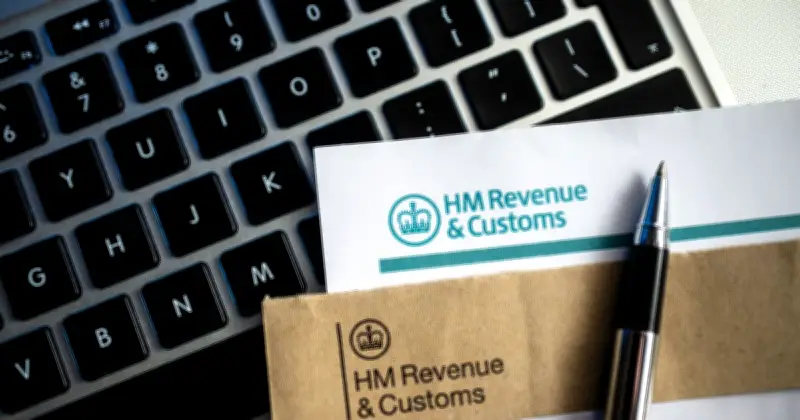
Around one million lower earners across the UK could be in line for a pension payment averaging £70 after missing out on tax relief through their workplace pension. HM Revenue & Customs (HMRC) is contacting around 1.32 million people who may have missed out on pension tax relief due to how their workplace pension scheme was run.
The payments are aimed at workers who were automatically enrolled into workplace pensions but earned below the income tax threshold, currently £12,570 a year. All low earners in schemes using net pay arrangements will be eligible for the top-up payments.
Women expected to be majority of recipients
Women are estimated to make up 75% of those earning below the personal allowance and contributing to a pension scheme that uses net pay arrangements. This means that about 990,000 of those eligible are expected to be women.

Women are expected to account for the majority of recipients because women are more likely to work part-time or in lower-paid work. As reported by The Times, Jessica Best, a financial planner at the wealth management firm McLaren Capital, said: “Women are so disproportionately affected because they are more likely to have time out of work, whether that’s stopping completely or choosing to go part-time due to caring responsibilities. It results in much lower pension contribution levels.”
How the tax relief difference arises
The issue comes down to the different ways pension schemes can provide tax relief. Those in schemes using Relief at Source (RAS) receive a 20% top-up on their pension saving (even if they pay no income tax) whilst those in schemes using net pay arrangements receive tax relief at their marginal tax rate, such as 0%.
This means low earners in schemes using net pay arrangements received less than they would if they were saving into a scheme that uses RAS. For example, someone paying £80 into a pension under Relief at Source would have another £20 added, giving them £100 in their pension pot. Under the Net Pay system, however, the same £80 contribution would remain £80 if the worker paid no income tax. Employees have no control over which system their employer's pension scheme uses.
Government rectifies anomaly with new payment
To rectify the anomaly, the Government has introduced the Low Earner's Pension Payment to make up the difference from the 2024/25 tax year onwards. The typical payment is expected to be around £70 although the exact amount will vary depending on the individual's circumstances. The payments relate to the 2024/25 tax year, with letters being issued in stages through to early 2027.
Steve Webb, a partner at the pension consultants LCP and a former pensions minister, said: "It is clearly unfair that around 1 million low earners have missed out on pension tax relief, simply because of the way in which their workplace pension is administered. But the process of getting these payments to the right people is going to be incredibly painful, and there is a real risk of huge non-take-up. Most people will not have a clue about this issue and may be suspicious of a letter out of the blue from HMRC offering them free money. Some may suspect it is a scam. It is vital that communications are effective to make sure that people get the money to which they are entitled."
People do not need to apply. Those eligible will be sent information by HMRC in a letter or through your online personal tax account. The tax authority will not text, email or call you about it. HMRC has also warned that it will not ask for passwords, PINs or for you to transfer money as part of the process. If you are eligible, however, you will need to respond to the HMRC letter through official HMRC channels and provide bank details through your personal tax account. You can also phone HMRC to accept their payment instead.