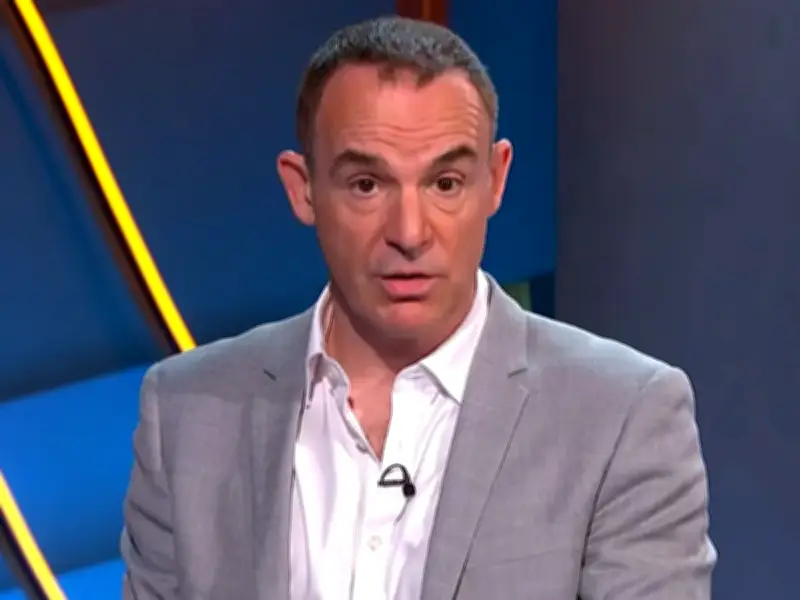
Finance expert Martin Lewis has warned against delaying voluntary National Insurance (NI) top-ups that can increase state pension payments, urging people to act well ahead of deadlines rather than waiting until the last minute.
In his BBC podcast, Lewis set out general rules in response to a question about voluntarily buying NI contributions to boost state pension entitlement. A person usually needs 35 years of full contributions to qualify for the full new state pension, currently worth £241.30 a week. Missing contributions can be filled in for up to six tax years ago.
Don't leave it to March
Lewis acknowledged that people spotting a gap from the past two or three years may think they have plenty of time to pay. However, he said not to leave it too late, explaining: "You do not have to make that decision until you're in the sixth year after the year that you're looking to buy."
He added "one warning" about something "I would not do": "This is not something to be doing in March to get in time to be done for April. This is something that I would — I mean, I'm making this up now, just because people like something solid — if that year were to lapse in April this [coming] year, I would want you to be doing this now in October, so you've got plenty of time for it to be processed and to go through and for any faults to be found before it goes in."
Check your forecast online
Lewis pointed to online tools for checking state pension and NI records. He said: "Just to say to everybody, you can go and check out your state pension forecast on gov.uk, and you can also check out your National Insurance record and roughly how much it would cost to buy back a year on gov.uk."
The state pension forecast tool shows how much state pension a person is on track to get and whether it can be increased by buying NI contributions or claiming NI credits. The National Insurance record shows what has been paid up to the start of the current tax year, which runs from April 6 to April 5 each year, and highlights any gaps that do not count toward the state pension.
Upcoming state pension changes
Several state pension rule changes are taking effect soon. The state pension age is rising from 66 to 67 in stages, with the process starting in April 2026 and completing by April 2028. Also in April 2028, the age for accessing private pensions rises from 55 to 57. Legislation is in place for the state pension age to increase from 67 to 68 between April 2044 and April 2046.
As announced at the Autumn Budget 2026, a new Pension Tax Allowance is being introduced so that people whose only income is the state pension do not pay income tax. Anyone over state pension age will get an extra tax-free allowance on top of the standard £12,570 personal allowance, set in line with the full new state pension. The allowance will be £13,037 for the coming tax year and tapers away as income rises above that, dropping by £1 for every £3 earned above the limit, so once income reaches £13,319, only the personal allowance applies.
The triple lock will be adjusted from April 2030. The triple lock ensures state pension payments rise each April in line with the highest of 2.5 per cent, average earnings growth or inflation. Labour announced that from April 2030, the earnings measure will be removed, though increases will still keep up with earnings over time.