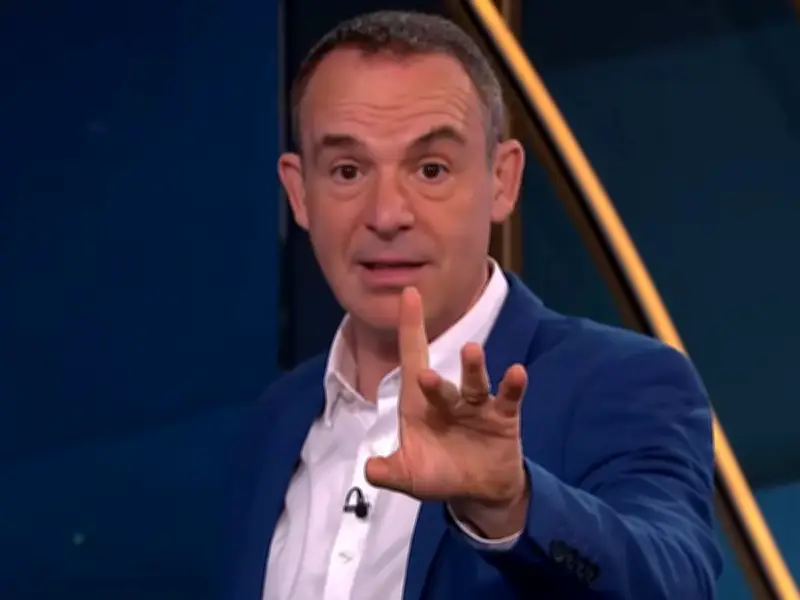
Martin Lewis has warned people accessing their pensions to seek help or risk making "massive tax mistakes." Speaking on his BBC podcast, the consumer advocate highlighted how poorly timed withdrawals can inadvertently cost savers a lot of money.
Free guidance available
Responding to a question about paying into a pension, Mr Lewis shared an important tip for those thinking of dipping into their pension. In an appeal to listeners approaching retirement, he said: "For anybody who's listening who is at this point, go and talk to Pension Wise, which is part of the MoneyHelper organisation. It's free guidance on how you take your money out, because you can make massive tax mistakes."
Pension tax traps
There are several complexities around how to take funds out of a pension in a tax-efficient way. Savers can typically access private pensions from age 55, a threshold set to rise to 57 in April 2028.
Savers can take out 25 per cent of each pot as a tax-free lump sum, capped at a maximum total of £268,275 across all pots over a lifetime. Taking funds out of a pension otherwise counts towards annual taxable income. Withdrawing too much in a single tax year can tip a saver into a higher tax band, resulting in both a steeper marginal tax rate and a reduction in tax-free savings interest allowances.
Another rule to be aware of is that once savers start to flexibly access their pensions, the Money Purchase Annual Allowance may come into effect, reducing the amount that can be put into all defined contribution pots to £10,000 a year.
Balancing family contributions
Mr Lewis's warning came during a discussion prompted by a caller reviewing his family's retirement strategy. The man explained that following the birth of their child, he had become the sole breadwinner while his wife was out of work, leaving her with no active pension contributions while he continued paying into his own scheme.
To help the couple manage the disparity without overcomplicating their finances, Mr Lewis suggested a straightforward interim approach. "I like to say easy answers are not always perfect answers, but they sometimes take a lot of pressure off," he explained. "An easy answer could be: let's say you have—we'll just say—£1,000 extra that you could put away for retirement saving. At this point, you could put £500 in your pension and £500 in your wife's pension and just say, 'Might not be perfect, but it's a reasonable balance.'"
Employer pension scheme benefits
One question Mr Lewis was keen to ask the man was whether he was contributing "the maximum amount that it [the employer] will match." The listener confirmed he was.
Under auto-enrolment rules, a minimum of 8 per cent of an employee's qualifying earnings must be contributed. This typically comprises 5 per cent from the worker and a 3 per cent matched contribution from the employer. The arrangement can be structured differently as long as the 8 per cent minimum is paid in. Savers can decide to pay in more, or an employer may offer to increase their matched contribution beyond the legally required minimum.
The full discussion is available on the BBC Sounds website.