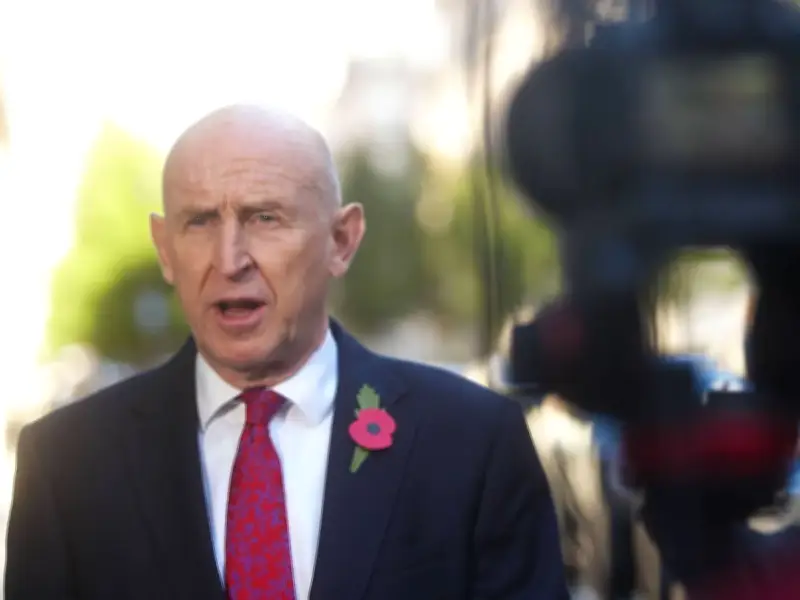
Chancellor John Healey is reportedly planning to reverse the decision to reduce the annual ISA allowance from £20,000 to £12,000 in his inaugural Budget. According to the Financial Times, Mr Healey believes the allowance cut was the wrong tool to encourage Britons to invest more in stocks and shares and would prefer to focus on educating savers about the benefits of equity investing.
Background to the ISA allowance change
Former chancellor Rachel Reeves announced the ISA cut for savers aged under 65 at the autumn budget last year, with the change set to come into effect in April 2027. The move was part of efforts to encourage investment in the stock market. ISAs, or individual savings accounts, are exempt from tax on interest, as well as capital gains and income taxes.
ISAs are the most popular savings product in the UK. Figures released by HMRC in September showed around £135.7 billion was subscribed to adult ISAs in the tax year 2024-25, a £32.7 billion annual increase. The rise was driven by a growth in cash ISA subscriptions, which increased by 37.5% or £26.1 billion.
Impact on savings and the banking sector
Stocks and shares ISA subscriptions saw a 19.7% or £6.1 billion annual increase, while Lifetime ISA subscriptions rose by 20.1% or £472 million.
It is thought retail savings banks and building societies will welcome the reported U-turn on the ISA allowance, as maintaining the flow of savings deposits helps provide them with funding to lend and boost their balance sheets. The move would offer some relief to the banking industry, with banks widely expecting to face higher taxes on the sector at the Budget on Wednesday.