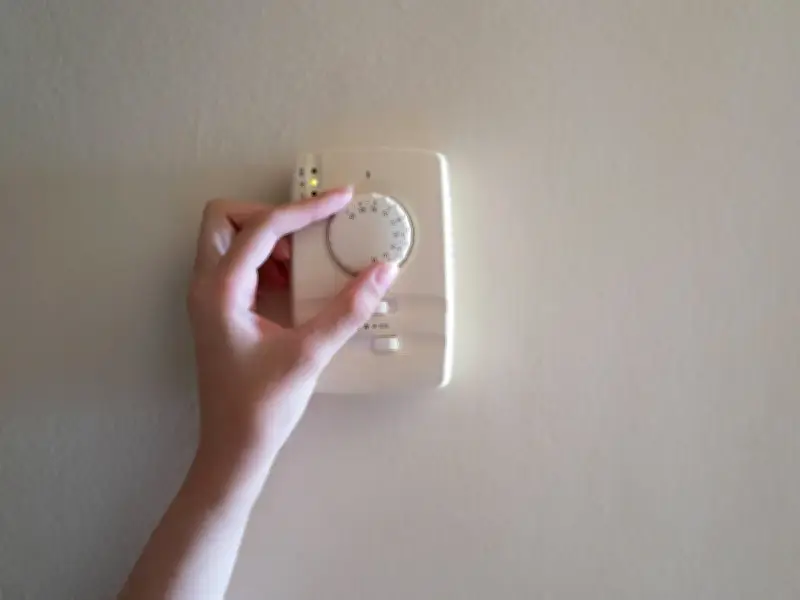
With the festive season approaching and parts of the UK expecting snowfall in the coming days, many households are looking to keep their homes warm. However, a common mistake could be driving up energy bills: turning the thermostat higher in hopes of heating the home faster.
Experts at Warm Up caution that this approach does not make heating work any quicker and simply wastes energy. They explain that a thermostat only sets the final temperature for comfort and has no control over how quickly the house heats up.
The Thermostat Myth
Thermostats instruct a heating system which temperature to achieve, but they cannot determine how rapidly radiators heat up. A heating system can only generate a specific amount of warmth per hour, so setting the thermostat higher than needed will cause it to operate longer and increase energy costs.
Instead, to maximise heating efficiency, it is better to adjust the settings on radiator valves so that occupied rooms warm up more effectively without wasting energy. Adjusting the thermostat for best performance is the easiest way to maintain comfort, but it is important not to set it too low, as this could present a health hazard.
Ideal Home Temperature
The recommended minimum temperature for a healthy adult is 18C, with anything below 15C considered dangerously cold. Maintaining a home between 18C and 21C strikes a balance between comfort and efficiency, potentially saving as much as 15 per cent on energy bills.
Most people notice no difference once the temperature exceeds 21C, yet increasing the thermostat to 22C or 23C can lead to a notable rise in energy costs. Running heating at high temperatures can also affect air quality, leaving rooms feeling stuffy and increasing the likelihood of dehydration.
Considerations for Vulnerable People
For households with vulnerable individuals, such as elderly relatives, young children, or those with existing health conditions, it is advisable to set the temperature a little higher. For everyone else, 21C is sufficient to stay comfortable throughout winter without wasting energy unnecessarily.