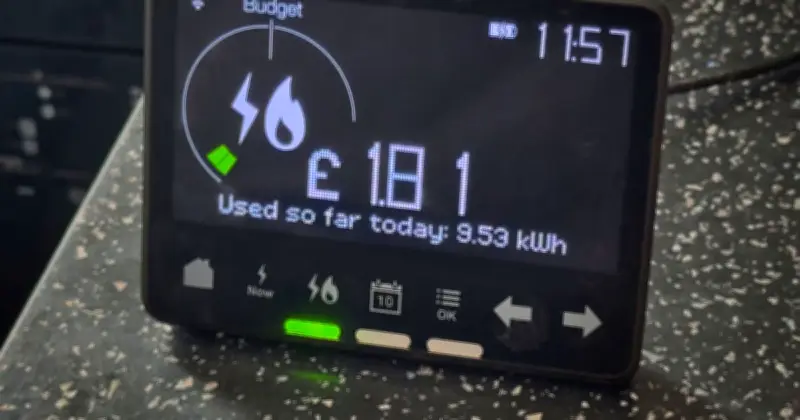
Millions of UK households face energy bills exceeding £2,000 next year, with prices expected to remain stubbornly high until at least 2030, a leading supplier has warned. EDF has forecast that the energy price cap will rise by 26% in January, pushing the annual bill for a typical household to £2,172, up from the current £1,723.
More than 90% of the increase is expected to be driven by soaring wholesale gas prices, which have surged since the outbreak of the US-Israeli war on Iran. The supplier predicts that the price cap will climb further in April to £2,270 a year and remain above £2,000 throughout 2027.
Worse than 2022
Josh Buckland, a director at EDF, warned that the situation facing households in January would "probably be worse than 2022", when energy prices soared in the aftermath of Russia's invasion of Ukraine. The forecasts, reported by The Times, suggest households will not see the price cap fall below £2,000 until April 2028.
Even then, the supplier expects little meaningful relief, warning that prices "will stay stubbornly high until at least 2030, due to the high reliance on gas and the growing level of network and other costs paid through the energy bill". EDF also believes bills could still be higher than current levels in 2030, partly because of the expense of upgrading Britain's energy networks and balancing the electricity system.
Disruption to global supplies
The warning comes as disruption to shipping through the Strait of Hormuz, a crucial waterway through which around a fifth of the world's liquefied natural gas normally passes, continues to put pressure on international supplies. The shutdown has intensified competition for LNG shipments globally, pushing up wholesale prices.
Higher gas prices also feed directly into electricity costs because Britain generates a substantial proportion of its power by burning gas.
Dwindling gas reserves
There are additional concerns over Britain's dwindling gas reserves, which are particularly low for this time of year. UK gas stocks had fallen to just 9.7 terawatt-hours (TWh) by Sunday, according to analysts at Argus. This is the lowest level for this time of year since at least 2011 and is equivalent to just under four days of average national consumption.
The figure compares with 17.4TWh at the same point last year and a three-year average of 25.7TWh.
Isabel Valverde Sala, head of UK power pricing at Argus, said: "UK underground inventories have fallen rapidly in recent weeks, despite typically rising at this time of year, because cold weather and little wind output have boosted demand for gas in heating and power generation."
She added: "If firms do not replenish their stocks in the coming weeks, and continue to withdraw, the UK will be a lot more dependent on gas imports from Europe or global LNG deliveries to meet peak winter demand in January-February."
Government support questioned
The latest forecasts also raise questions about the effectiveness of the Government's promised £100 payment to most households to help with energy costs this winter. The potential £449 increase in typical annual bills would significantly outweigh the one-off support.
EDF is calling on ministers to provide further targeted assistance if wholesale gas prices rise again and introduce a social tariff to protect vulnerable customers from escalating costs. The supplier's warning suggests households could face several more years of expensive energy, with little prospect of a return to pre-crisis prices in the immediate future.