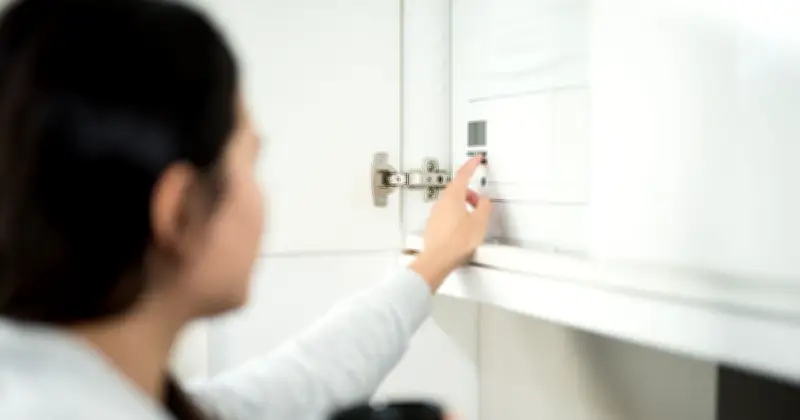
Households across the UK can reduce their energy bills by around £12 per month by making a simple adjustment to their combi boiler. Energy experts have revealed that lowering the boiler's flow temperature can cut gas usage by 12%, providing significant savings as bills continue to rise.
How the Boiler Flow Temperature Works
The flow temperature is the setting that controls how hot your boiler heats water before sending it to your radiators. When a boiler is installed, this is usually set to around 75C to 80C, which energy suppliers say is "too high for most combi boilers to run at maximum efficiency."
At lower temperatures, your boiler operates in "condensing mode more often," allowing it to capture more heat and recycle it back into the system. This makes the boiler more efficient and reduces the amount of gas needed to heat your home.
Research Supports the Savings
Research from the Salford Energy House found that reducing the heating flow temperature from 80C to 60C resulted in gas usage savings of up to 9%. Lowering it further from 80C to 55C could save up to 12%.
EDF Energy says the average monthly gas bill for a household of four adults or more is around £102. By making this single change, households could save approximately £12 per month.
Safety Considerations for Vulnerable Households
People who may be more vulnerable to the cold, such as those with underlying conditions or elderly people, should be careful when reducing the flow temperature. Charity Nesta recommends not lowering the flow temperature below 60C.
To change your heating flow temperature safely yourself, you must have a condensing combi boiler. If you have a system boiler or a hot water cylinder, you should not change the flow temperature on your own; instead, have a qualified professional look at it. If you are not sure what kind of boiler you have, do not attempt this.
The lower you set your flow temperature, the longer it will take to heat your home, according to EDF. If you have a vulnerable person in your household, it is worth keeping the flow temperature above 60C at all times.
Rising Energy Costs Ahead
Many households will face higher bills this winter after Ofgem's latest energy price cap increase. Until the end of the year, if you are on a standard variable tariff (default tariff) and pay for your electricity by Direct Debit, you will pay on average 26.32 pence per kilowatt hour (kWh).
Further energy hikes are expected in January, with EDF warning that the annual energy bill for a typical home is set to rise to £2,166 - an increase of £443. Ofgem will not formally announce the new energy price cap until November 25.