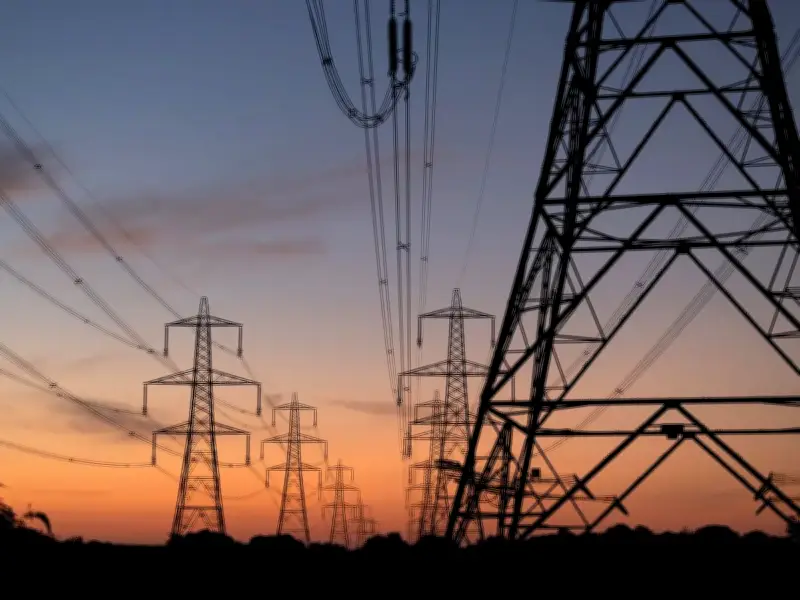
Britain's electricity grid has issued a power back-up alert for an unprecedented fourth day running to prevent the risk of blackouts. The National Energy System Operator (Neso), the body tasked with keeping the country's lights on, insisted it was a "routine and precautionary" step.
Experts say it is unheard of for there to be four such alerts in one week, adding there had now been 13 this year, and raising questions about the state of the country's power grid. Since 2021, there have been a maximum of three in any year.
Network Constraints and Pinch Points
Neso said this week's warnings are the result of "significant constraints on the network caused by maintenance and reinforcement work by transmission owners." Among the pinch points is believed to be around the border between England and Scotland, which has limited the amount of electricity flowing from wind farms north of the border to the south, where demand is greatest.
The UK's high voltage power network is owned by just three firms, including National Grid. Among Neso's jobs is to keep a "safety cushion" of spare power available for emergencies. When this gets tight, it can issue so-called electricity margin notices (EMN) to call on alternative electricity producers, including gas-fired power stations, to be ready to ramp up output. However, there is a price to pay in terms of compensating these firms.
Latest Alert and Expert Warning
The latest EMN relates to between 2pm and 8pm on Friday, which includes when electricity demand peaks as families return home. Neso said its latest EMN was a "routine and precautionary measure, giving market participants the opportunity to make additional generation capacity available." It added: "This is not a warning of power cuts, there is no risk to customer electricity supplies, and customers do not need to take action."
Energy consultant Andrew Larkins, a former adviser to Neso, said: "This is an unprecedented situation." He told BBC Radio 4's Today programme: "The challenge that we have is that we are generating a lot of electricity in the UK and are selling quite a lot of that to continental Europe, where there is a high level of demand. But we have a real problem in terms of transporting electricity from where it's generated to where it's needed."
Ageing Grid and Calls for Reform
Larkins said a lot of the UK's power grid dates back to the 1970s or even the 1950s, when power stations were close to cities and other places where demand was greatest. "Now we are in a situation where we have a large number of generators spread across the country and particularly off-shore wind farms and these need to have the energy transported to where it is needed," he said.
Dale Vince, founder of Ecotricity, said the problem came back to the country's nationally vital grid network being privately owned. "Maybe we should make the National Grid pay the cost of these imbalances when we pay premium prices," he said. Larkins called for an urgent redesign of the current market, adding: "Electricity currently ought to be really, really cheap in Scotland because of all the large wind farms."