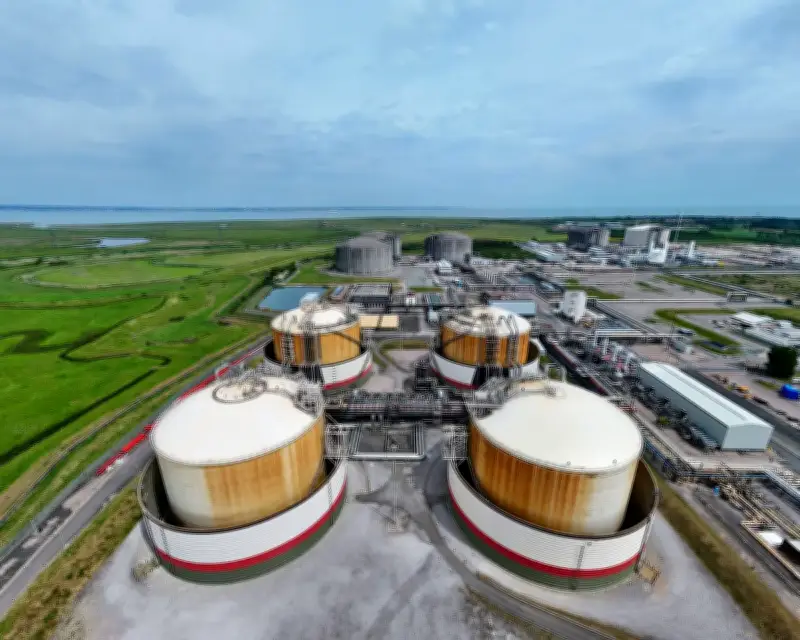
The National Energy System Operator (Neso) has repeated its warning that Britain could have too little gas to meet demand during a cold snap as soon as 2030, as SSE prepares to begin closing its Atwick storage facility near Hornsea in East Yorkshire.
In its latest update, Neso said the risk identified in its 2025 assessment remains. “Our updated analysis shows that the risk identified in our 2025 assessment remains, and that there is an ongoing need for an enduring solution to secure future gas supply,” the report said on Wednesday.
Storage facilities under threat
The Atwick cavern represents about 20% of Great Britain’s onshore gas storage. SSE, a FTSE 100 energy firm, said it is preparing to start the process of closing the facility. Centrica has also not been filling Rough, the largest offshore storage facility, and will close it next spring unless a deal can be done with government.
In both cases, the firms are acting rationally, commercially speaking. The economics of gas storage rely on summer prices being reliably lower than winter ones to ensure a profit margin. In a more global world of LNG, or liquefied natural gas transported by tanker, such spreads have disappeared; and geopolitics, such as the closure of the strait of Hormuz, can complicate matters.
Government position unchanged
The government’s position hasn’t moved since the summer when it conceded for the first time that it may have to intervene. “We recently confirmed plans to explore commercial support for storage and the wider sector, to help protect our gas security,” the energy department repeated on Wednesday. “We will set out proposals in due course”.
This winter already required an eleventh-hour deal with Belgium to avert a planned cut in interconnector capacity. The storage question cannot wait much longer – and delay has already handed negotiating clout to the operators if ministers ultimately decide they need to do a deal.
The security problem has been recognised for years, even before the first Neso report. The threat of a gas crunch isn’t fresh news. The remarkable aspect is simply how long successive governments have taken to get a strategy together, even as the current one urges households to stockpile to improve national resilience. Before gas storage facilities start to close and narrow options further, it’s time for a plan.