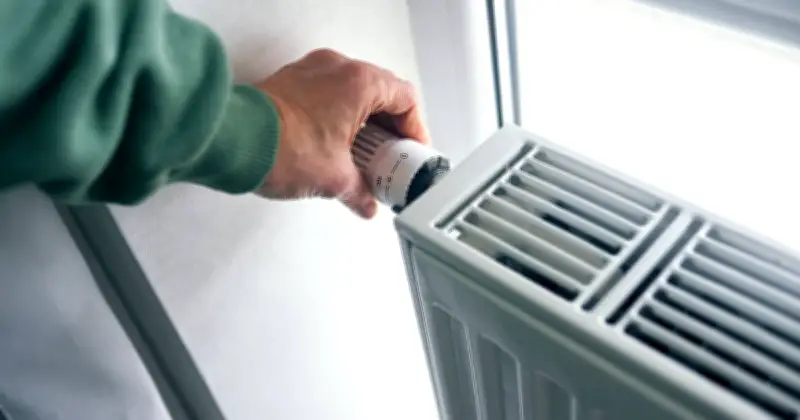
Turning the thermostat up too high will not make a home heat up any faster and only wastes energy, according to specialists at Warm Up. The advice comes as households prepare for colder winter weather.
Why a higher thermostat setting does not speed up heating
Warm Up said that coming home to a cold house leads many people to set the thermostat higher than normal, overheating the house and wasting money saved by using a lower temperature while out. The specialists noted that a thermostat has no control over how quickly a house heats up, as it only sets the final temperature for comfort.
Thermostats are designed to tell a heating system which temperature to achieve, but they cannot dictate how rapidly radiators heat up. A heating system can only generate a specific amount of heat per hour, so adjusting the thermostat beyond what is needed will merely cause it to operate longer and push up energy costs.
Recommended temperature range for efficiency
Instead of raising the thermostat, adjusting radiator valve settings can help rooms warm up more effectively without wasting energy. Configuring the thermostat for optimum performance is the easiest way to keep a home comfortable, but it should not be set excessively low, as this could present a health risk.
The recommended minimum temperature for a healthy adult is 18C, with anything below 15C considered dangerously cold. Maintaining a home between 18C and 21C strikes a balance between comfort and efficiency, and this setting can typically save as much as 15 percent on energy bills.
Impact of higher temperatures on health and air quality
Most people notice no discernible difference once the temperature exceeds 21C, yet even raising the thermostat to 22C or 23C can considerably increase energy costs. Running heating at a higher temperature can also harm air quality, leaving rooms feeling stuffy and increasing the likelihood of dehydration.
For households with vulnerable individuals, such as elderly relatives, young children, or those with underlying health conditions, a higher temperature setting would be advisable. For most people, however, 21C is sufficient to remain comfortable throughout winter without wasting energy.