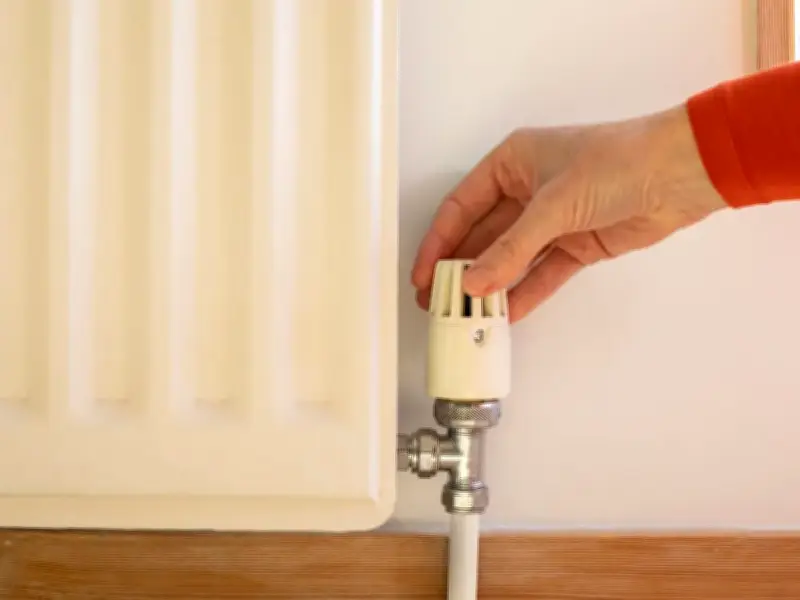
Turning the thermostat up does not make a home heat up any faster and only wastes energy, so households should keep the setting between 18C and 21C to save up to 15 percent on bills.
With December approaching, many people are checking that their homes are ready for the cold. A common frustration is switching on the heating and waiting a long time for the house to reach a comfortable temperature.
Plenty of people turn the thermostat up to speed things up, but specialists at Warm Up have cautioned that this does not make the heating work any quicker. Instead, it simply squanders energy.
Why Turning Up the Thermostat Does Not Help
Warm Up stated: "Coming home to a cold house causes many people to turn the thermostat up to a higher than normal temperature, overheating the house and wasting the money they have saved by using a lower temperature when they were out. But this won't help you feel comfortable any quicker because a thermostat has no control over how quickly your house heats up, all it does is set the final temperature for your comfort level."
Thermostats are designed to tell a heating system which temperature to reach, but they cannot control how quickly radiators warm up. A heating system can only produce a set amount of heat each hour, so setting the thermostat higher than needed simply makes it run longer and pushes up energy costs.
Better Ways to Heat Rooms Efficiently
To get the most from heating, it is better to adjust the controls on radiator valves so the rooms being used warm up more effectively and do not waste energy. Setting the thermostat for best performance is also the simplest way to keep a home comfortable, but it should not be set too low, as this could present health risks.
The recommended minimum temperature for a fit adult is 18C, and anything below 15C is dangerously cold. Keeping a property between 18C and 21C strikes the ideal balance of warmth and efficiency, and this setting can typically cut up to 15 percent off energy bills.
Impact of Setting the Temperature Too High
Most people notice no difference when the temperature rises above 21C, yet even raising the heating to 22C or 23C can dramatically increase energy bills. Setting the heating too high can also affect air quality in a room, making the home feel stuffy and increasing the likelihood of dehydration.
For households with vulnerable members, such as elderly relatives, young children, or anyone with a health condition, the temperature should be set higher. Otherwise, 21C is enough to stay warm in winter without wasting energy.