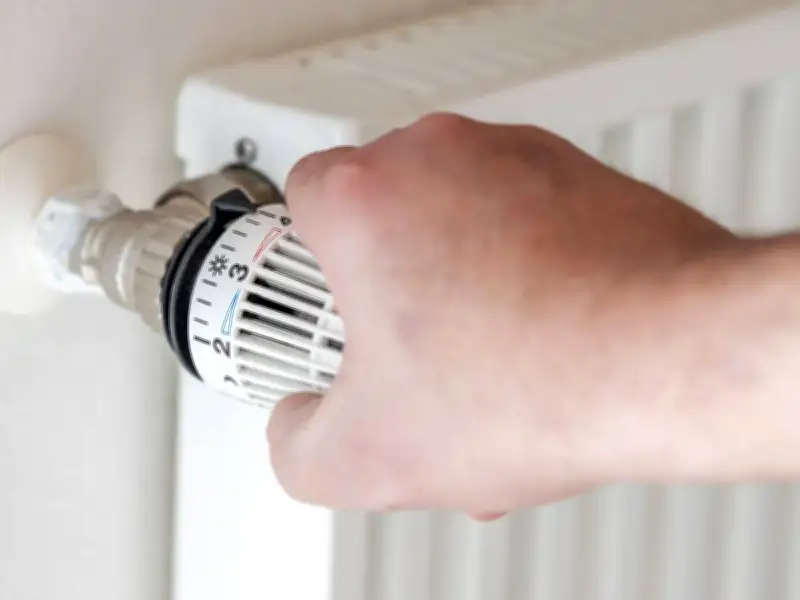
As temperatures across the UK drop into single figures, households are switching on central heating, and experts say a simple household item can make radiators work more effectively. Official advice from the UK Health Security Agency and the NHS states that once outdoor temperatures fall below 15C, keeping living areas at a minimum of 18C is essential to prevent respiratory infections, hypothermia, and hazardous damp or mould.
The latest Ofgem energy price cap has climbed to £1,723 annually for a typical dual-fuel household paying by Direct Debit — a £60 quarterly jump. Heating engineers insist that radiators not providing enough warmth is seldom due to the boiler, and consumer champions and the Energy Saving Trust say simple adjustments can prevent heat from leaking through walls.
How radiator reflectors help
When a radiator sits against an external wall, a significant amount of its heat flows back into the cold brickwork rather than spreading around the room. Consumer experts at Which? point to radiator reflectors as one of the most cost-effective upgrades for uninsulated exterior walls.
Specially designed reflective panels are available in most DIY shops, such as B&Q, or online on Amazon for roughly £20-£25. The reflectors feature a specialist foil surface and thermal backing that bounce radiant heat back into your home.
Energy experts at Uswitch strongly warn against using standard kitchen foil, which quickly oxidises, breaks down, and lacks the insulating backing needed to reflect heat properly. Fitting these purpose-made panels takes under 10 minutes per radiator, involves no drilling into walls, and could cut £18 to £25 from yearly heating bills, based on Energy Saving Trust figures.
Cleaning radiators for better performance
Keeping radiators clean is equally vital. Heating specialists at Checkatrade explained: "Dust can create a layer of insulation around your radiator, lowering its performance. Meanwhile, dirt and debris can obstruct your radiator's vanes."
To clean radiators, ensure they are turned off and cool, then hold the vacuum nozzle against the grate or slats for several seconds to extract the dirt. If necessary, use a hairdryer to dislodge any lingering dust, then swiftly vacuum it up. Next, use a radiator cleaning brush (sold at most hardware stores) to continue removing debris and dust. Lastly, wipe the radiator's exterior down with soapy water and a cloth, then dry it using another microfibre cloth.