The chief executive of Octopus Energy, the UK's biggest power supplier, has said energy customers could be £195 better off after a number of changes, but admitted one group would be charged more. The Treasury has revealed that standing charges on gas bills will be abolished from next year for approximately 23 million homes.
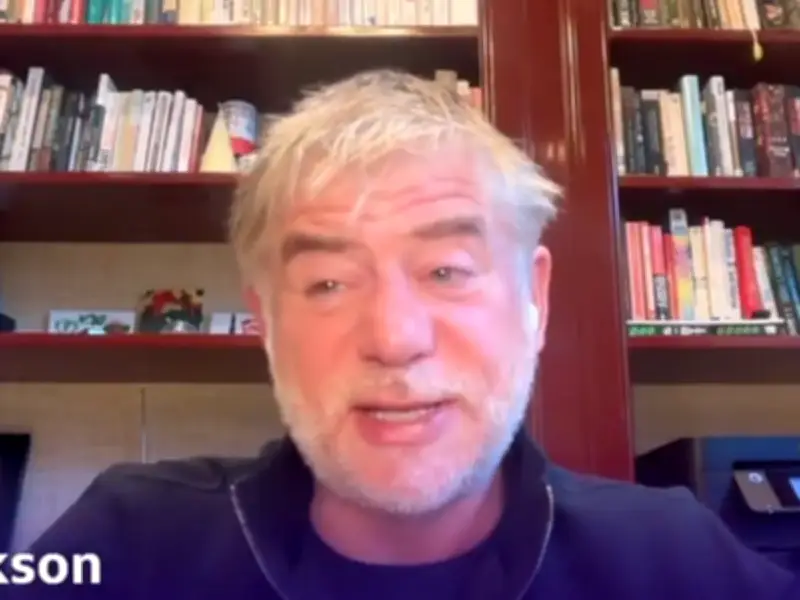
Greg Jackson, CEO of Octopus Energy, confirmed today that the 'vast majority' of families would benefit financially. He indicated that recent changes could result in £195 being stripped from bills in total. Chancellor John Healey will unveil the change in his maiden Budget on Wednesday, promising "breathing space" for households and businesses alike.
What Are Standing Charges?
These charges represent a fixed daily levy added to bills, irrespective of a customer's gas consumption, and typically amount to around £108 annually for an average household. Speaking on BBC Breakfast, Mr Jackson explained: "In fact, the vast majority of families will be better off. There's a few sort of typically very large homes that use a lot of gas and they'll end up paying a bit more."
"But for the vast majority of people, they'll pay less. In fact, I think it'll be about £45 pounds a year less on average. So on top of the removal of VAT from electricity that was another £50 and then removing some of the taxes that was £100. So the government's taken a lot of bills."
Concerns for Large Households
BBC Breakfast host Jon Kay remarked: "You say the vast majority I think the government have said that it'll be three fifths. So it's just over half will be better off. That means a lot of people watching right now particularly maybe busy households h lots of kids lots of gas used they're potentially significantly worse off under this."
Mr Jackson responded: "So what we've seen is a 17% reduction in gas consumption in the last year or two. That's an official figure. And what that means is people are using less gas regardless of household size. They've taken more control of their thermostats. They've dealt with their flow temperature on their boiler and these have helped them save gas and standing charges meant they didn't get the full benefit of that."
"This means that those families and even those who use a lot of gas. But, you know, if you turn off a radiator in a room you don't use, you'll get more benefit now. And I think that's a good thing."
Government Response and Mitigation
Mr Healey, who was hosting MoneySavingExpert founder Martin Lewis in No 11 on the morning of the Budget, stated: "Gas standing charges are unfair and outdated so I am scrapping them to give millions of households a bit of breathing space."
"My Budget will draw a line in the sand on an energy policy that has failed British billpayers for years, letting extra costs on bills pile high and leaving households even more exposed to global shocks." Mr Burnham told the Commons last week that he had asked Mr Healey and Energy Secretary Miatta Fahnbulleh to examine abolishing standing charges.
The levy doesn't cover the energy consumption itself, but rather funds the delivery of gas and electricity to households and businesses – encompassing essential maintenance expenses and infrastructure improvements. Worries have emerged that certain low-income households consuming substantial amounts of energy might end up paying more if these costs are merely transferred to the unit rate portion of their gas bills.
The Treasury indicated ministers will "set out in due course targeted mitigation for a small number of households," and that those "not seeing an automatic saving will still have better control over their bills without the worry of affording the standing charge". Mr Healey is also expected to unveil proposals in his Budget to remove green levies from energy bills and shift them onto general taxation, according to The Times.
In a video statement released before the autumn statement, the Chancellor remarked: "This Budget is designed to give households breathing space from some of the everyday costs, provide targeted support for businesses and self-employed people, and to start the long-term action needed to get energy costs down for good."
He recognised the nation was experiencing a "difficult moment" and pledged alterations would be implemented "responsibly" within Labour's fiscal rules. Mr Healey faces constraints on substantial financial giveaways due to tight public finances, exacerbated by global market volatility stemming from the Iran conflict. He remains committed to the fiscal framework established by his predecessor Rachel Reeves, which mandates that day-to-day expenditure must be covered by taxation rather than borrowing by 2029/30, and that public debt as a proportion of the economy must decline in the same year.
Reaction and Impact
Simon Francis, co-ordinator of the End Fuel Poverty Coalition, welcomed the move to scrap gas standing charges, stating it would "bring real relief to many low-income households who use very little energy and for prepayment customers it could stop debt building up in the summer months". He added: "Moving levies off electricity bills and into general taxation, as reported, would also be a positive step."
But despite the positives of the gas standing charges proposal, millions of households won't see a saving. "This means ministers have serious questions to answer about who they are and, if they are vulnerable or on low incomes but have high energy needs, how they will be protected."
Domestic energy costs increased in October following a 4% adjustment to Ofgem's energy price cap, with analysts cautioning they could surge by nearly another £300 from January. Cornwall Insight's most recent projection suggests the price cap will climb by a further 16% to £1,999 annually on January 1, representing a £276 increase on the October to December level and marking the biggest rise since January 2023. In a bid to support households, the Government has temporarily removed the 5% VAT from electricity bills until 31st March next year, which should trim roughly £45 annually. Households continue to pay 5% VAT for gas.