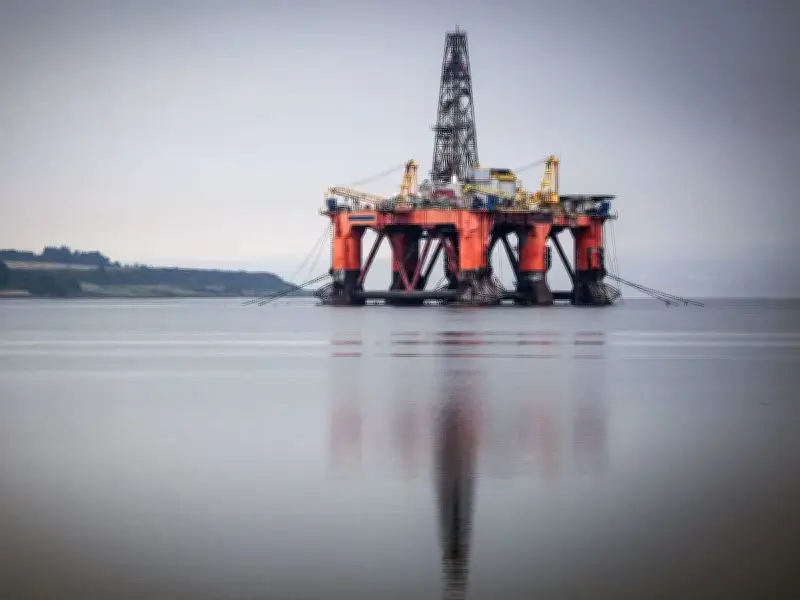
Spending on North Sea decommissioning is expected to reach nearly £25 billion over the next decade, according to new analysis from industry body Offshore Energies UK (OEUK), which describes the work as a “major industrial opportunity”.
OEUK forecasts that investment in the sector could total £24.7 billion between 2026 and 2035. Expenditure is projected to peak at £3.08 billion in 2027, then remain at £2.74 billion or higher each year until 2031.
Scale of offshore work
The forecast covers the decommissioning of around 135 topsides – the structures visible above the water – across the UK Continental Shelf, along with 126 underwater structures and 1,834 wells.
The number of wells undergoing decommissioning is set to rise from 137 in 2025 to 220 in 2026, OEUK said. Meanwhile, 161 kilometres (100 miles) of pipelines are scheduled for removal in 2026, up from 33.5 kilometres (20.8 miles) last year.
OEUK emphasised in its 2026 Decommissioning Insight report that the increase is “not a single short-lived peak”. Instead, it pointed to a “sustained six-year period of elevated expenditure from 2026 to 2031, creating consistent demand for specialist people, vessels, equipment and facilities”.
Planning across sectors
The pipeline of work “creates sustained demand”, OEUK said, presenting the UK with an “immediate opportunity”. However, the report warned that the same workforce, vessels and ports could also be needed by the offshore wind industry, underlining the importance of forward planning – without it, costs could escalate and decommissioning targets may be missed.
Mark Wilson, OEUK’s energy operations director, said that “coordinating decommissioning and offshore wind therefore presents an opportunity to keep the UK's offshore industrial base working as the energy mix changes, safely dismantling legacy infrastructure and building the next generation of offshore energy”.
Mr Wilson added: “This is a major industrial opportunity for the UK, but it will not happen by accident. Oil and gas decommissioning and offshore wind increasingly need the same people, vessels, ports and engineering expertise. We need to plan across both sectors, align schedules and give suppliers sufficient confidence to invest. Earlier decisions and sustainable contracts will help prevent bottlenecks, control costs and keep valuable work and expertise in the UK.”
Reaction and government response
Lang Banks, director at WWF Scotland, said: “Cleaning up the North Sea's oil and gas legacy should be part of building its clean energy future. The scale of decommissioning work highlighted by this report is a major opportunity to use the skills of Scotland's offshore workforce, alongside the expansion of offshore wind.”
He added: “With both sectors needing many of the same workers, vessels and ports, the UK and Scottish Governments must work together with industry and trade unions to co-ordinate investment, training, and project timetables. The priority must be a fair, managed transition away from fossil fuels, not prolonging our dependence on them. Workers and communities deserve a credible route to secure livelihoods, while we tackle climate change and harness Scotland's renewable energy potential.”
A spokesperson for the Department for Energy Security and Net Zero (DESNZ) said: “Drilling for oil and gas in the North Sea continues – last month the Energy Secretary approved the Jackdaw gas field. Oil and gas will remain part of Britain's energy mix for decades to come, alongside our ambitious plans to transition to clean power to protect jobs and strengthen our energy security.”