Central heating specialists have delivered a unanimous verdict on the optimum temperature for setting your thermostat. They revealed that simply reducing your central heating by 1°C could slash £120 annually from your bill, and cautioned that anyone who cranks the heating to maximum hoping to warm their home more rapidly is merely squandering money.
Experts recommend 18°C to 21°C range
With temperatures hovering near 0°C this weekend and energy costs poised to soar dramatically once more in the new year, more than a dozen central heating specialists were consulted about the precise temperature households ought to set their thermostat to. Their responses were virtually unanimous.
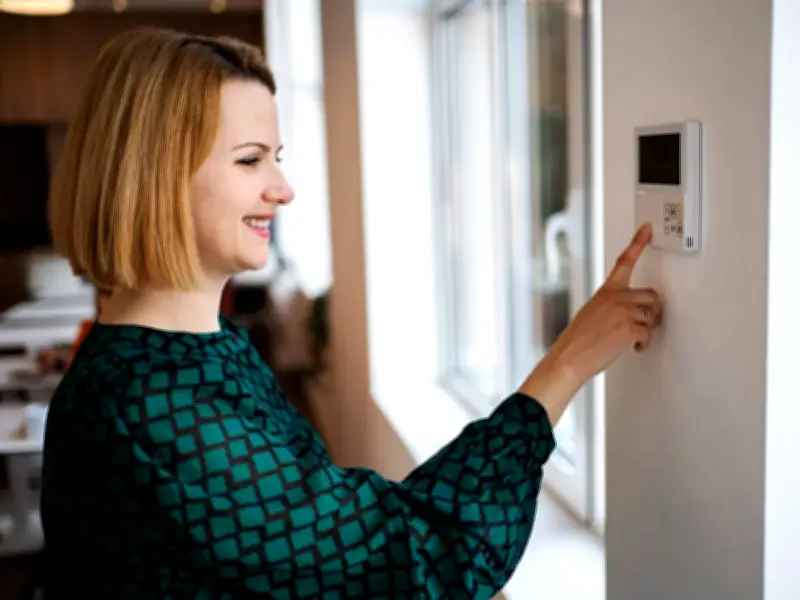
Patrick Garner, a gas safe engineer at Heatable, explained: "Most people are comfortable somewhere between 18°C and 21°C, so I usually recommend starting at 19°C and seeing how you feel. You can adjust up or down, a degree at a time, until you find the lowest setting that still feels comfortable. The aim is to stay warm without spending too much money. Don't forget that older people and anyone with a health condition may feel the cold more. So while 18°C to 21°C is the average, don't rigidly stick to that if you're still not comfortable."
Gordon Wallis, energy expert at Your NRG, advised: "For most households, a thermostat setting between 18°C and 21°C offers a good balance between comfort and energy efficiency. I'd recommend starting at around 20°C and adjusting it to suit your needs."
Turning down by 1°C saves £120
Stephen Hankinson, heating expert at Electric Radiators Direct, explained: "For maximum efficiency, I advise keeping your thermostat steady at around 18-21 degrees rather than constantly adjusting it up and down. A programmable timer or smart control makes this much easier, as you can set your heating to match your routine and avoid unnecessary usage. According to the Energy Saving Trust, turning down your thermostat from 22 to 21 can save £120 a year."
Thomas Gibbons, an adviser at free money advice service Money Wellness, which helps about 1,000 people a day with budgeting and debt support, commented: "Lots of homes are sitting at 22°C or 23°C without people realising what it's costing them. Turning the thermostat down from 22°C to 21°C saves around £120 a year. Most people won't even notice the difference."
Higher settings do not heat faster
Gordon Wallis stated: "Turning your thermostat higher won't make your home heat up faster. It simply means the heating will run for longer to reach that temperature."
Lee Saunders, heating and plumbing specialist at Toasty, clarified: "Your thermostat doesn't act as an accelerator, it just alerts the boiler when to stop heating, not to heat faster. Instead, I recommend lowering the thermostat on the boiler and maintaining a constant home temperature between 18-21oC to keep your spaces inviting and comfortable. Turning down the heat by just one degree can save you up to 10% on your heating bills. This way you will still be cosy without the added cost."
Thomas Gibbons commented: "Turning the thermostat up to 30°C when you get in won't warm the house up any faster. The heating comes on at the same speed whatever the setting. It just keeps running for longer, and you pay for it."
Other ways to keep your home warm
Gareth Kloet, energy spokesperson at Go.Compare, and Tom Nurse of Fischer Future Heat recommend straightforward approaches to maintaining optimal warmth without cranking the heating up further. These include using thermostats to schedule heating at peak times, insulating the home properly, adjusting heating room-by-room and not heating unused rooms, draught-proofing windows and doors, closing curtains in the evening to keep in heat, and making sure radiators aren't blocked by furniture.