Chancellor John Healey will announce the abolition of gas standing charges in his first Budget statement this afternoon, a move that could save millions of British households around £45 a year. He will instruct Ofgem to ensure the charges are scrapped next year, or at the earliest opportunity thereafter.
Fairness and control over bills
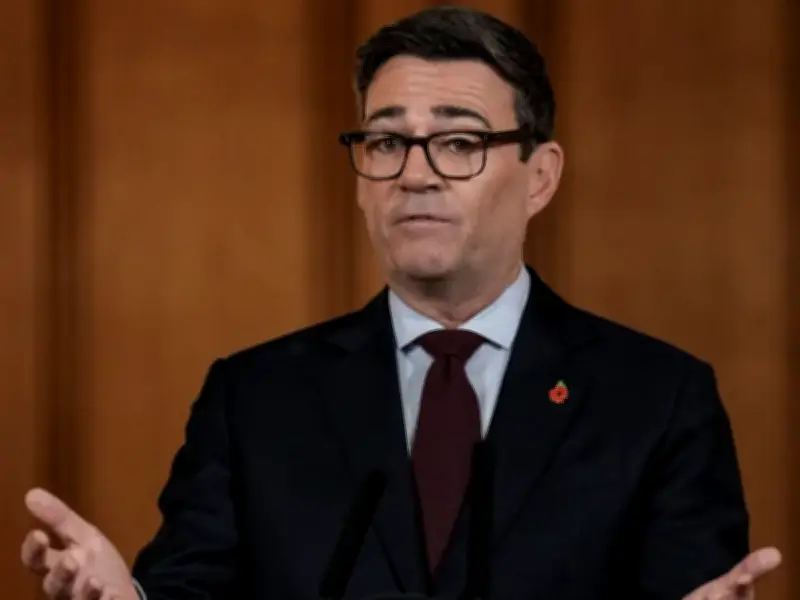
Prime Minister Andy Burnham said: "Abolishing gas standing charges is about basic fairness and giving people more control over their bills. I am determined to reform our broken energy market, so it better serves the public interest."
Following the announcement, the fixed costs will shift to the unit rate, potentially saving 60% of account-holding households an average of £45 off their yearly bill.
Outdated and unfair charges
Mr Healey said: "Gas standing charges are unfair and outdated so I am scrapping them to give millions of households a bit of breathing space."
He added: "My Budget will draw a line in the sand on an energy policy that has failed British billpayers for years, letting extra costs on bills pile high and leaving households even more exposed to global shocks."
Under the current energy price cap, average standing charges by Direct Debit stand at 54.83p per day for electricity and 29.68p per day for gas, costing households roughly £200 a year for electricity and approximately £108 a year for gas.
Support for struggling households
Mr Burnham revealed last week that he had requested Mr Healey and Energy Secretary Miatta Fahnbulleh examine whether standing charges could be scrapped from gas bills.
Energy Secretary Miatta Fahnbulleh stated: "Too many families face unfair charges, so we're making it easier for people to take control of their energy bills. By removing one of the nation's bugbears - taking standing charges off gas bills, with extra support for those who need it - we'll give millions of people breathing space. Tackling affordability is my number one priority, and I will keep doing everything I can to protect people from unaffordable bills."
Standing charges are not for the energy itself. According to Ofgem, they are "used to recover the costs required to provide energy company services, including providing and maintaining the wires, pipes and cables that deliver power to a customer's door, through to the staff and buildings required for the energy business to function".
Households nationwide witnessed their energy bills increase from the beginning of October following Ofgem's energy price cap rise of 4%. This means the average annual gas and electricity bill for a household paying by direct debit jumped from £1,663 to £1,723, from the start of October through to the end of December.
The price cap sets a limit on what you pay for unit rates of gas and electricity, rather than capping your total energy bill. Cornwall Insight forecasts the price cap could reach £1,999 annually this January, marking a 16% increase or £276 rise. In a bid to support struggling households, the Government has temporarily scrapped the 5% VAT on electricity bills until March 31 next year, slashing around £45 annually, while households are still paying 5% VAT on gas.