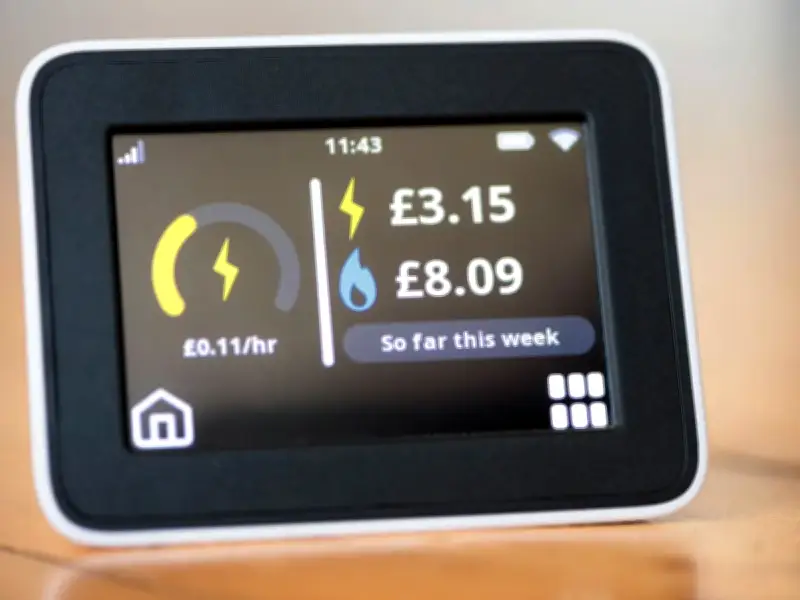
Ahead of a predicted 26 per cent rise in the energy price cap from January, an expert has identified five heat-generating appliances that dominate household electricity bills. Llewellyn Kinch, founder and CEO of Switchd, points to tumble dryers, electric showers, ovens, kettles and washing machines on hot cycles as the main contributors.
Forecast price cap increase
Cornwall Insight's latest forecast predicts the price cap could rise by 26 per cent, taking the typical annual bill from £1,723 to £2,166, an increase of £443. Ofgem is due to announce the official cap for January to March on November 25, so the £2,166 figure remains a forecast rather than a confirmed bill.
With that pressure looming, Kinch says households should start by looking at how often they use their most energy-hungry appliances.
The five appliances
Tumble dryers are one of the first places to look, particularly during colder months when washing can be harder to dry outdoors. The Energy Saving Trust recommends using a washing line or indoor airer where practical, while Citizens Advice says a condenser tumble dryer can cost around 69p per partial-load cycle compared with 30p for a heat pump model.
Electric showers are another significant source of electricity use because they heat water as it passes through the unit. Citizens Advice estimates that an electric shower costs around 38p for 10 minutes, based on an electricity unit rate of 25p per kilowatt hour.
Ovens, kettles and washing machines
Ovens can also use considerable energy, particularly when they need to preheat before cooking. Citizens Advice estimates that a fan oven costs around 28p for 20 minutes of preheating followed by 40 minutes of cooking, while Kinch suggests using an air fryer or microwave for smaller jobs where suitable.
Kettles may seem relatively inexpensive to use, but repeatedly boiling more water than needed can add avoidable consumption. Citizens Advice advises measuring the amount of water required before switching the kettle on, rather than filling it to the top for a single cup.
Washing machines complete the line-up, with hotter cycles generally requiring more energy to heat the water. Citizens Advice recommends using an economy setting for everyday laundry, while Which? says washing at 30C instead of 40C can cut the cost of a wash by 38 per cent, based on its tests.
Kinch added: "Anything creating heat is expensive to run. Tumble dryers, electric showers, ovens, kettles, washing machines on hot cycles: these dominate most electricity bills."