Energy network companies have been accused of an “obscene profiteering bonanza” as two-thirds of UK households face an average 26% leap in energy bills from the start of January. The rise, equivalent to around £443 more a year, takes the typical bill to £2,166 after Ofgem confirmed a hike in its price cap.
Profits surge while households struggle
The jump stems from suppliers passing on soaring wholesale costs, a fallout from the ongoing Middle East war. While households dread the bill shock, some firms in the energy sector have seen profits climb sharply.
New research by the End Fuel Poverty Coalition found that companies paid to transport electricity and gas around the country through a vast network of wires and pipes have raked in around £60 billion in profits since 2020.
Three transmission companies control the motorway-like transport of high-voltage electricity: National Grid for most of England and Wales, plus SP Energy Networks and Scottish & Southern Electricity Networks north of the border. Analysis shows the trio made a combined operating profit of £3.7 billion from their relevant divisions this year.
Union and political criticism
Separate analysis by the Unite union found around 20 companies, including distribution firms paid for getting energy to homes and businesses, made £7.1 billion profit last year alone, with an average profit margin of 37%.
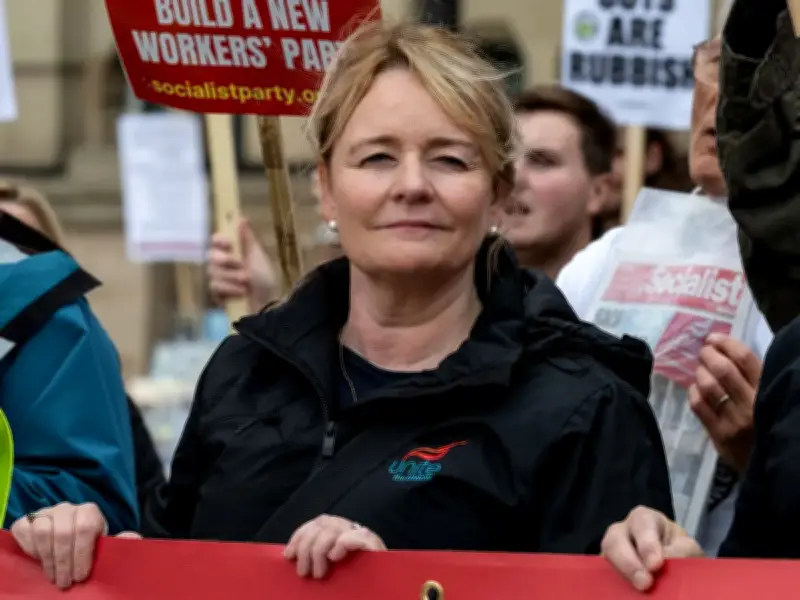
Unite general secretary Sharon Graham said: “Energy grid companies are enjoying an obscene profiteering bonanza, while tens of thousand of families are left freezing in their homes. This is morally repugnant. The government needs to take immediate action to cap excessive energy profits and ensure that hard up households receive extra support to pay their bills.”
Lib Dem leader Sir Ed Davey raised the issue at last week’s Prime Minister’s Questions, saying: “At the same time as Trump’s war is pushing up the cost of living for everybody, a small band of energy network companies are making massive profits at the expense of people.” He called on PM Andy Burnham to “claw back those windfall profits and use them to cut people’s energy bills now.”
Mr Burnham responded: “I do except that there is longer term reform needed of the energy market and will set that out in the Plan for Britain to be published next month.”
Network charges and supplier margins
Ofgem’s next price cap will include around 19% that goes to network firms. While down from 24% now, it will still mean an average £411 going in network charges because the overall bill is higher.
Energy suppliers have tended to work on much slimmer profit margins, and occasional losses, because the price cap sets limits. The allowed margin will fall from 2.7% to 2.5% but, because of the bill surge, the actual amount they rake in will rise by an average £11 per customer, from £43 to a maximum £54 next year as it stands. Given there are 34 million energy accounts impacted by the cap, that could still deliver roughly a £374 million boost to suppliers’ profits.
Simon Francis, coordinator of the End Fuel Poverty Coalition, said: “As households recoil with horror at the January price cap rise and families suffer in cold homes, champagne corks will be popping in energy firm boardrooms. Profits are spread right across the energy industry, but while you can switch your energy supplier, you can never switch the company that owns the pipes and wires. Gas and electricity networks are natural monopolies, with no competition and returns set in advance by the regulator.”
He added: “Ministers could step in and ensure that network companies’ excess profits are used to clear the energy debt mountain built up over the last six years due to high prices and provide more support to the households most in need this winter.”
Company responses and investment plans
National Grid saw profits in its UK electricity transmission division jump 45% to £1.2 billion in the six months to the end of September. Zoë Yujnovic, 51, was appointed chief executive in November last year but still raked in a £6.5 million pay and perks package between then and April this year, including £4.2 million in shares to replace those she gave up when she left her last job. Predecessor John Pettigrew bagged in more than £50 million since 2016/17.
Profits at Scottish and Southern Electricity Networks, part of SSE, doubled to £778.7 million over the same period. Its network also includes a part of southern England. Martin Pibworth, promoted to SSE’s group CEO in July last year, earned £3.8 million last year. SP Energy Networks, part of Spanish giant Iberdrola, made £969.5 million in the first nine months of the year, up more than a third on the same time in 2025. The division’s boss is Nicola Connelly, although her pay is not disclosed.
Sam Peacock, managing director for regulation and policy at SSE, said: “We’ve invested more than we made in profit, putting billions into Britain’s energy infrastructure while supporting 83,360 UK jobs. As transmission investment steps up fivefold, regulated returns increase to help fund it. But crucially, that investment will help cut bills: Ofgem’s says about £60 of investment on bills by 2031 will deliver around £80 in savings compared with not investing.”
Lawrence Slade, chief executive of trade body Energy Networks Association, said: “Between 2021 and 2031, operators will unlock tens of billions of pounds in private investment to deliver the biggest upgrade to Britain’s electricity network in decades. This record network investment is supporting the connection of more affordable and reliable homegrown energy - it is an ongoing process that will unlock £58 billion for the UK economy, support more than 210,000 high-quality, well-paid jobs, strengthen our long-term energy independence and ensure customers will save on their bills in the future.”
National Grid and SP Energy Networks have been contacted for comment.