Household energy bills are set to rise by £443 in January, a 26% increase that would bring the annual price cap for a typical consumer to £2,166. Industry insiders warned that people will struggle to pay, as experts attributed the hike to the impact of conflict in the Gulf following US President Donald Trump's assault on Iran.
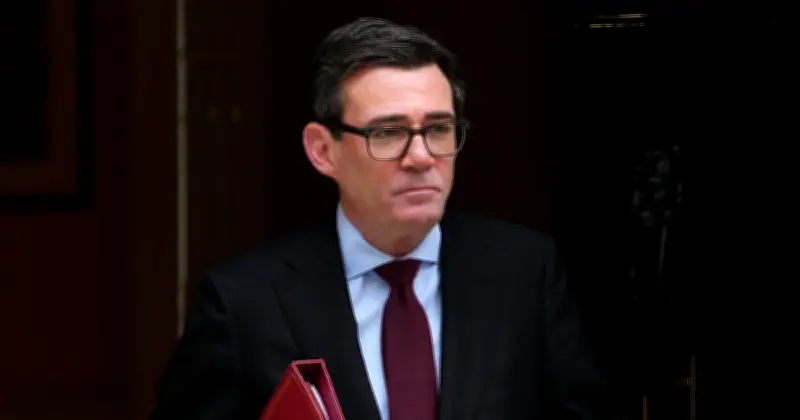
Conservatives accused Andy Burnham and Labour of worsening the problem by raising green taxes on bills and refusing to maximise North Sea oil reserves. The increase in the price cap, which reflects the average cost for households paying by direct debit, was predicted by experts at Cornwall Insight.
Official announcement expected
The official announcement will be made by watchdog Ofgem on November 25. However, Neil Kenward, Director General for Markets at Ofgem, confirmed higher prices are coming when he spoke to an inquiry of MPs. He said: "We recognise that with energy bills likely to rise significantly in January, this will cause serious and significant problems for a number of consumers, both households and businesses."
Andrew Bowie, Shadow Energy Secretary, said: "Labour promised to cut bills by £300, and yet, families are bracing for a January shock that leaves them around £870 a year worse off than when Labour came to office.
"Obsessed with their net zero zealotry, Labour have spent two years making the UK more dependent on imported gas, shutting down the North Sea and loading green taxes and levies onto bills – this is the result.
"We have to put cheap energy first, which is why, through our Cheap Power Plan, Conservatives would cut energy bills immediately for all households so we can deliver a stronger economy."
Government response
The Government highlighted plans announced in the Chancellor's Budget statement last month to provide a £100 Household Energy Payment for households in council tax bands A to D. Energy Secretary Miatta Fahnbulleh said: "I know that the price of energy bills this winter weighs heavily on struggling families up and down the country. Access to energy is an everyday essential and not a luxury, which is why we have taken immediate action to give people breathing space.
"From January, up to 20 million households will receive £100 towards their energy costs. We have also cut VAT from electricity bills to help lower costs, and around six million low-income households will receive the £150 Warm Home Discount on top of this.
"Affordability is my number one priority, and I will continue driving towards cheap, clean power."
Campaigner warnings
Campaigners warned that many households would struggle to make ends meet. Simon Francis, coordinator of the End Fuel Poverty Coalition, said: "It now looks like households will pay more for every unit of gas this winter than at any point in history." He added: "Since January 2021, prices and wages have each risen by around a third, but the typical energy bill has more than doubled."
He added: "Households will be aghast at having to find more money for their energy bills in the depths of winter while the energy industry has posted £143 billion in UK profits since 2020.
"As wider inflation also hits household finances, swallowing up the £100 help announced in the Budget, the Chancellor must act with further support for the cost of energy now.
"At the very least, that means a referral route so doctors, social workers and debt advisers can get struggling households extra help with their energy bills."