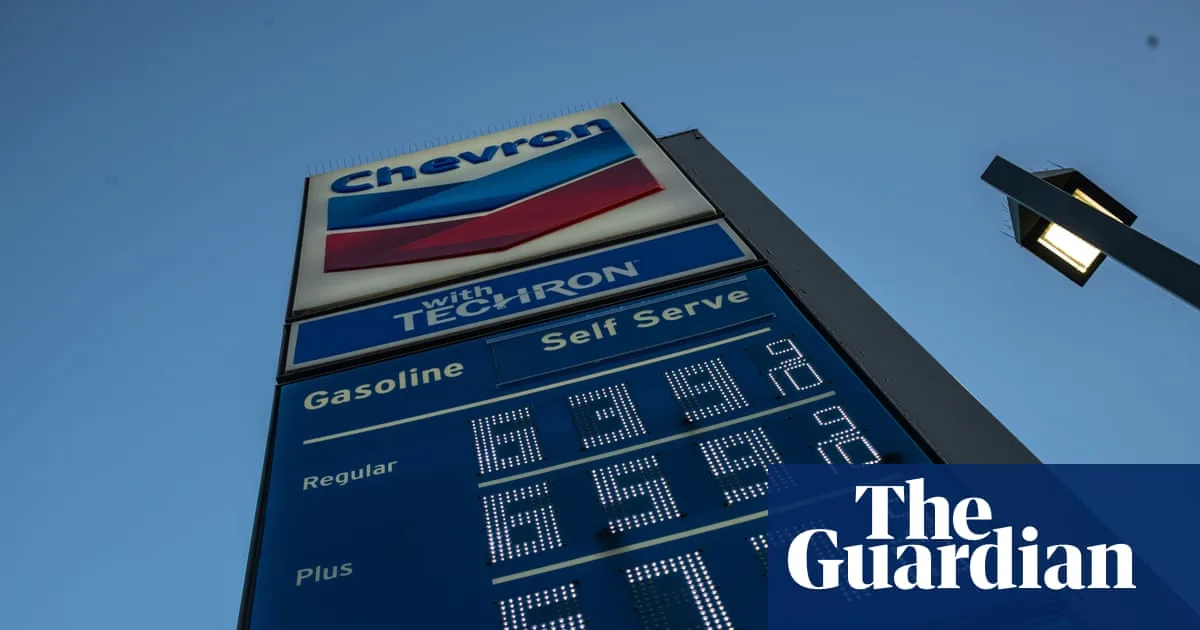
US drivers should not expect petrol prices to return to pre-war levels any time soon, even if the conflict with Iran ends immediately, energy experts have warned. The national average petrol price stood at $4.55 per gallon as of 22 May, up roughly $1.50 from before the US and Israel attacked Iran in late February.
President Donald Trump has promised that relief will be swift once the war ends, saying prices would go down 'very substantially' and 'very rapidly'. However, analysts say the recovery will be slow. 'For retail prices to drop $1.50, I think we could kiss that number goodbye for 2026,' said Denton Cinquegrana, chief oil analyst at Dow Jones Energy.
The Strait of Hormuz, through which about 25% of the world's seaborne crude oil transits, remains closed. Even if peace were declared, checking damaged energy infrastructure and unsnarling supply chains would take time. David Ruisard of Argus Media noted that turning crude oil into fuel normally takes 30 to 60 days, and restarting Gulf oil wells and refineries could take weeks or months.
Logistical challenges include clearing a backlog of tankers stuck in the Gulf. Cinquegrana estimates the minimal recovery time will be at least as long as the conflict lasted. If the war ends by late June, that would be about 18 weeks of hostilities, with a similar recovery period. Industry estimates for a return to pre-war prices range from six months to two years.
Jet fuel prices may normalise sooner as airlines cut flights and routes. Petrol could recover faster than diesel due to tighter US diesel production. However, prices could rise further with the start of the US summer driving season over Memorial Day weekend.