Andy Burnham's driveway rule change, in effect for less than two months, has left motorists and industry figures furious, with calls for the Prime Minister to act now.
From October 1, Mr Burnham slashed VAT rates on domestic electricity fees in a bid to help households battling rising electricity bills. The reduction means those charging electric cars at home pay substantially less, with a 0% VAT rate lending itself to bills as low as 7p per kWh.
Two-Tier Charging System
However, those without a driveway or off-street parking space still face VAT rates of 20%, with average fees around 50p per kWh. Research from Carwow found that 62% of motorists support a reduction in VAT for public charging fees from 20% to 5%, which would have brought public costs into line with previous home charging rates.
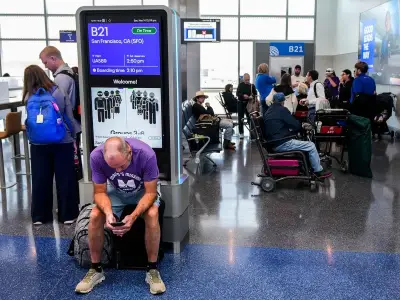
Motorists have repeatedly admitted that costly public fees remain a significant barrier to EV adoption. With as many as eight million drivers without access to a driveway or off-street parking in the UK, it is a major issue that needs attention before customers lose interest altogether.
Industry Backlash
Research from Hippo Leasing suggests that equalising public charging VAT with the previous 5% domestic rate could have saved high-mileage EV drivers as much as £389 per year.
The UK car industry has also expressed confusion. Matt Galvin, Managing Director of Polestar UK, said: "Instead of setting out a plan to end this driveway discrimination, the Chancellor is legislating to lock it in." ChargeUK has also called out the move, warning the policy would do "serious damage to the EV transition".
Shane Brennan, chief executive of ChargeUK, said: "Instead of listening to the call of EV drivers for fairness on VAT the government has slammed the door shut on ending a rank unfairness between at home and out of home charging."
Next Steps
Cutting electricity costs should have been a good news story, but it has become anything but positive PR due to the EV sideshow. If Mr Burnham is serious about an EV transition in the UK, he needs to address public VAT costs before turning customers away.