British Gas has told households the minimum temperature they should set their heating at to avoid damaging their house if they're away, without pushing up their energy bills too much.
Regulator Ofgem raised the price of gas and electricity by 4% in October, and January is set to be far worse with forecasts currently predicting bills will rocket by as much as 24%, which would mean a rise in excess of £400 a year for a typical use household (but this of course is an average illustration and if you use more, you'll pay more).
Guidance for when you're at home
If you're at home, the NHS has issued guidance to households about where they should set their heating - roughly 18C as a minimum for healthy adults, and possibly slightly higher for older people.
But what if you're not home? With the cost of energy so cripplingly high at the moment, nobody wants to pay to heat an empty house. But if you leave it too cold for too long you risk mould, mildew and even frozen pipes, damaged walls and carpets and even floods.
British Gas's minimum recommendation
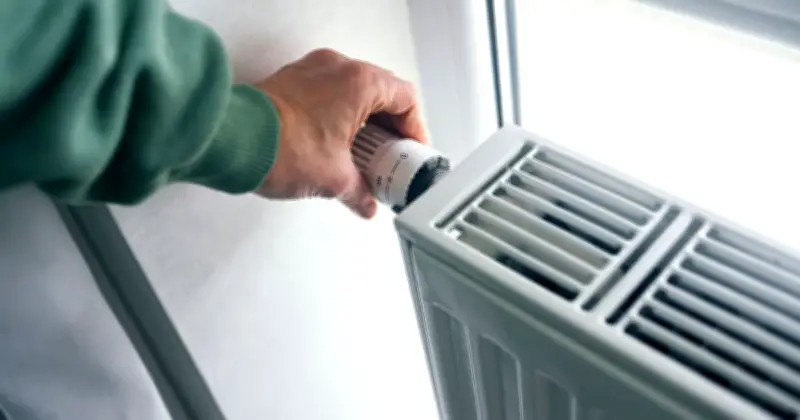
British Gas, in its guidance to households, sets out the bare minimum you should set the thermostat to if you're away. It recommends dropping the heating no lower than 5-7C as an absolute minimum when you're not home for an extended period.
It says: "Only leave your heating on during a holiday if there’s a possibility of freezing. Otherwise, you could return home to a flooded house and costly repair.
"But there’s no need to leave it on if you have the Hive Thermostat. Its in-built Frost Protection kicks in when the temperature drops below 7C to switch your boiler on and prevent your pipes from freezing.
"Most modern boilers also have a similar feature, so they’re protected when it gets really cold. If you don’t, then set your thermostat [to] at least 5C to get the same sort of protection.
"In summer, it makes sense to switch off your heating while you’re away. The only exceptions to this are if you: Have pets in the home while you’re away; Are away for an extended period and want to minimise the risk of mould or mildew building up."
Smart heating controls
It adds: "If you’re not at home during unseasonably warm days, use smart heating controls – like Hive thermostats – to switch off heating or change your schedule from any device."