Households across the UK are being urged to try a simple 10-minute task that can make radiators work considerably more effectively as temperatures drop into single figures and central heating is switched on.
Official guidance from the UK Health Security Agency and the NHS states that once outside temperatures fall below 15C, keeping living areas at a minimum of 18C is essential to prevent respiratory infections, hypothermia, and the development of hazardous damp or mould.
Energy price cap pressures households
Switching on the boiler brings considerable financial pressure. The most recent Ofgem energy price cap has risen to £1,723 annually for a typical dual-fuel household paying by Direct Debit, a £60 quarterly increase that is prompting households to monitor every unit of gas and electricity consumed.
Heating engineers insist that radiators not warm enough are seldom the fault of the boiler. Consumer advocates and the Energy Saving Trust maintain that simple adjustments can prevent heat loss through walls and revitalise tepid radiators within minutes.
How to make radiators warmer
When a radiator sits against an external wall, a significant amount of its heat radiates back into the cold brickwork rather than spreading throughout the room. Consumer specialists at Which? point to radiator reflectors as among the most cost-effective improvements for uninsulated external walls.
Purpose-made reflective panels are readily available at most DIY retailers, including B&Q, or on Amazon for approximately £20-£25. These reflectors incorporate a specialist foil surface and thermal backing designed to redirect radiant heat back into your home.
Energy experts at Uswitch issue a strong warning against using standard kitchen foil, which quickly oxidises, breaks down, and lacks the essential insulating backing required to reflect heat effectively.
Fitting purpose-built panels takes under 10 minutes per radiator, involves no drilling into walls, and could reduce annual heating bills by £18 to £25, based on Energy Saving Trust estimates.
Cleaning radiators for efficiency
Keeping radiators clean is equally vital to maximising efficiency. Heating specialists at Checkatrade explained: "Dust can create a layer of insulation around your radiator, lowering its performance. Meanwhile, dirt and debris can obstruct your radiator's vanes."
To clean radiators, ensure they are turned off and have cooled down completely, then position the vacuum nozzle against the grate or slats for several seconds to extract the dirt. If necessary, employ a hairdryer to dislodge any lingering dust, then promptly vacuum it away.
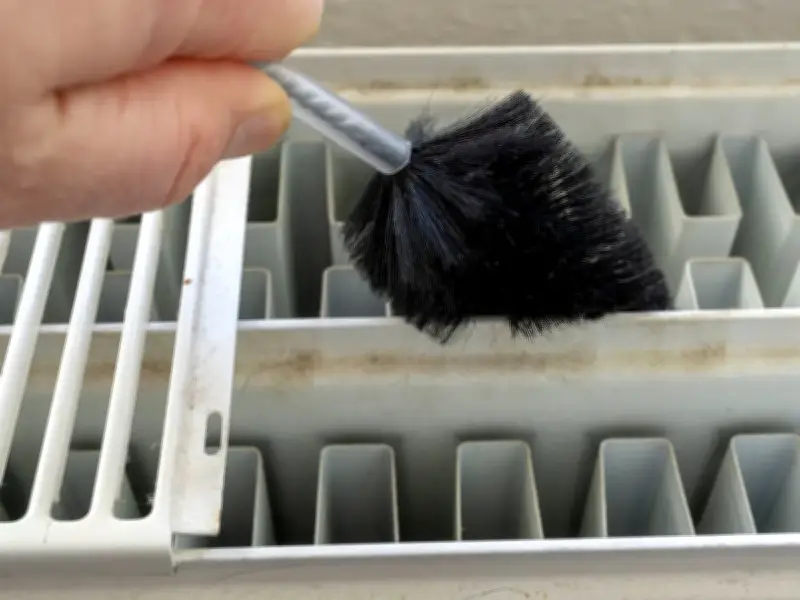
Using a radiator cleaning brush, obtainable from most hardware shops, you can thoroughly remove all remaining debris and dust. Finally, clean the radiator's outer surface with soapy water and a cloth, then dry it with a separate microfibre cloth.