
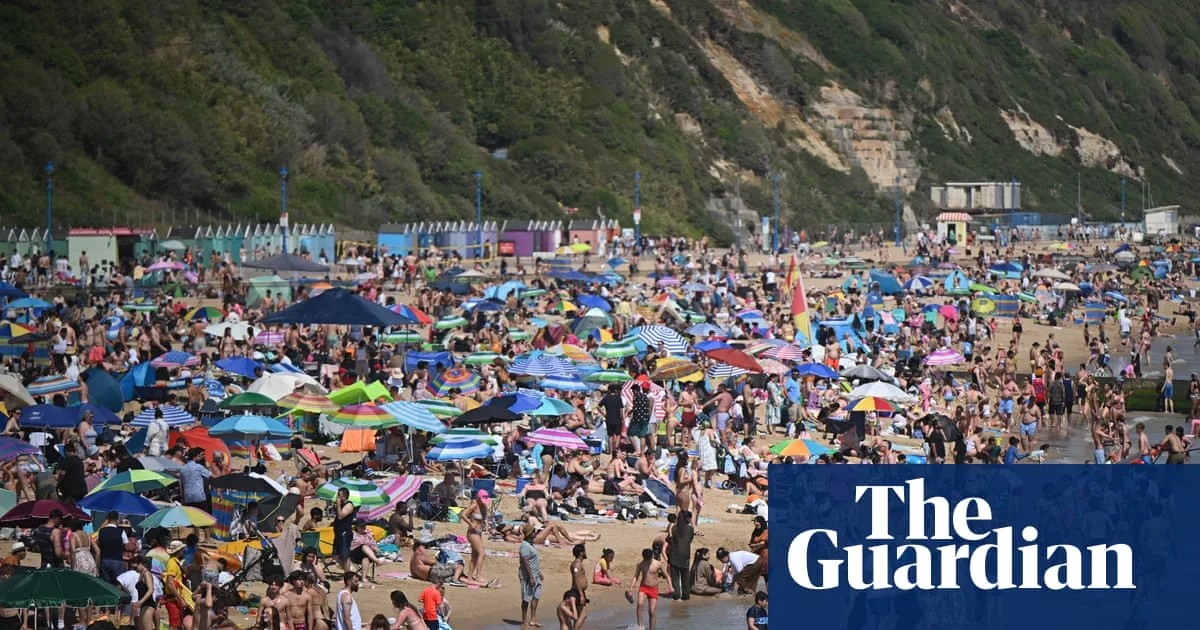
Water safety experts have warned about the dangers of outdoor swimming after at least nine people died in water-related incidents across the UK in recent days, as a heatwave drives crowds to rivers, lakes, and seaside spots. Seven of the victims were young people, according to emergency services.
Among the fatalities, a 17-year-old boy was recovered from Pick Mere in Northwich, Cheshire, on Wednesday. Earlier in the week, a teenage girl and five boys died in separate incidents in Yorkshire, Warwickshire, Hampshire, Lincolnshire, and Lancashire. On Monday, a man in his 60s died after suffering a cardiac arrest while trying to help two relatives at Tregirls Beach near Padstow, Cornwall. On Sunday, a 72-year-old woman died after being pulled from the water at West Angle Bay beach in Pembrokeshire, Wales.
Dr Heather Massey, an associate professor in extreme environments and physiology at the University of Portsmouth, said the deaths are a recurring problem when air temperatures rise rapidly but water remains cold. “Unfortunately, this is something we see every year,” she said. “At this time of year, it hasn’t had time to warm up.” Cold water shock can trigger involuntary gasps, rapid breathing, and a sharp increase in heart rate, particularly dangerous when jumping or diving in.
Data from the UK’s National Water Safety Forum shows that drownings typically rise in May and remain high through August, with most victims being young men and over half occurring in inland waterways. Research from Bournemouth University in 2024 found that accidental drowning deaths were three times higher on days above 25°C compared to average summer temperatures.
Massey advises swimming at lifeguarded locations and entering water gradually to allow breathing to settle. The Float to Live campaign recommends rolling onto your back, tilting your head back, and floating to calm breathing. For others in trouble, the advice is to phone the coastguard or fire brigade, tell them to float, and throw something buoyant. Gavin Ellis, drowning prevention lead at the National Fire Chiefs Council, said: “No family should have to experience the devastation of losing a loved one in the water.”




