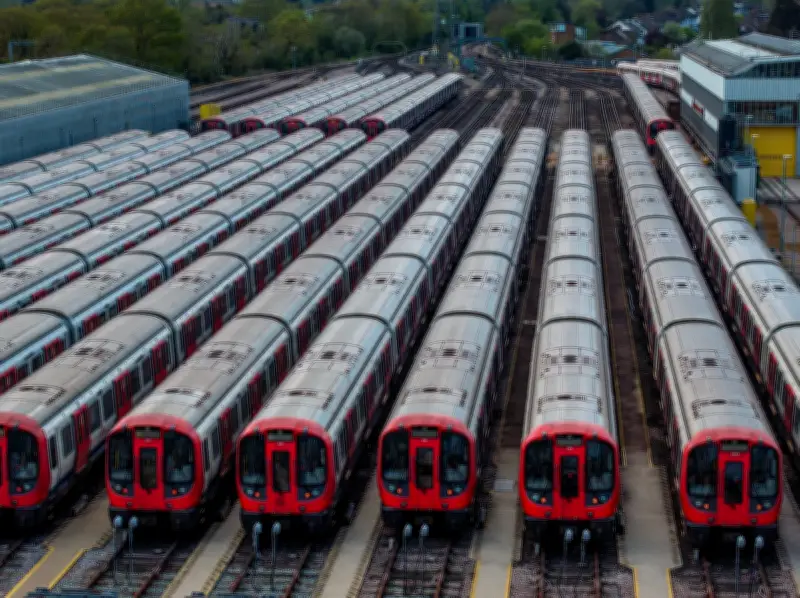
London Underground drivers earn around £73,000 a year, and fresh strikes are planned from late November over a proposed four-day working week.
The RMT union has announced new industrial action in a long-running dispute with Transport for London (TfL). Walkouts are due to begin on November 26, following strikes earlier this year.
Four-Day Week Proposal at Centre of Dispute
TfL has proposed a voluntary four-day working week for Tube drivers, initially on the Bakerloo line. Under the plans, drivers who switch from five days to four would keep their existing salaries, while those preferring the five-day week could stay at the same depot, according to TfL.
The RMT has criticised the proposals as a "fake" four-day week, arguing that drivers could face longer shifts, last-minute changes to working patterns, and increased fatigue. The union has also raised concerns about weakened workplace protections and potential job cuts.
Salary Increases Since 2018
Qualified London Underground drivers typically earn around £73,000 a year in 2026, with salaries potentially approaching £80,000 by 2027 under an inflation-linked pay agreement. The deal, accepted by the RMT following previous industrial action, included an initial 3.4 per cent increase backdated to April 2026. It also links pay rises to RPI inflation, which is generally higher than CPI, and guarantees a minimum overall increase of around 9.8 per cent.
Tube driver salaries have risen by 32.7 per cent since 2018, according to Freedom of Information (FOI) data. In 2018/19, 3,596 Tube drivers earned an annual salary of £55,011. By 2026, this had increased to £73,000 - a rise of £17,989, according to TfL. Salaries have increased by an average of around 4 per cent a year, with the largest rise recorded between 2021/22 and 2023/24, when pay climbed from £58,949 to £63,901.
Further Disruption Ahead
Walkouts will take place from late November to early February, disrupting commuters, shoppers, and passengers making Christmas plans. Among the dates affected is Saturday, December 19, one of the busiest shopping days in the run-up to Christmas.
Aslef, the train drivers' union in support of the four-day week, previously expressed its surprise at RMT's decision to take strike action. The union highlighted the financial benefits of the proposed arrangement to its members.
"The reality is few people will want to keep working an extra day and more hours every week for no extra money and less time off!" the union explained as it outlined the deal on offer. "Instead of only getting 80% of salary, they will have the option of receiving full pay," it added.
The final planned walkout is due to take place in February, raising the prospect of months of disruption as TfL and the unions remain at odds over the proposed changes.
The Transport Salaried Staffs' Association (TSSA) has also announced separate industrial action this week following a ballot of its members, which will close the Piccadilly line from around midday on Friday until around 6pm on Saturday. The walkout relates to a Tube Service Control employee and TSSA member who the union says has been unfairly dismissed by London Underground. The union alleges that it accessed and shared a union member's private and confidential information with third parties, which it claimed may be in breach of GDPR regulations. Transport for London rejected the claims.