Irish public sector workers on the lowest incomes will receive pay increases of up to 18.3% under a 5.2 billion euro deal agreed between trade unions and the Government. The agreement, which will run to March 2029, delivers public sector pay increases of 10.75% over two years and nine months.
A public sector strike planned for Thursday has been suspended after trade unions agreed the new draft pay deal with the Government. Talks concluded in the early hours of Wednesday.
Pay increases for low earners
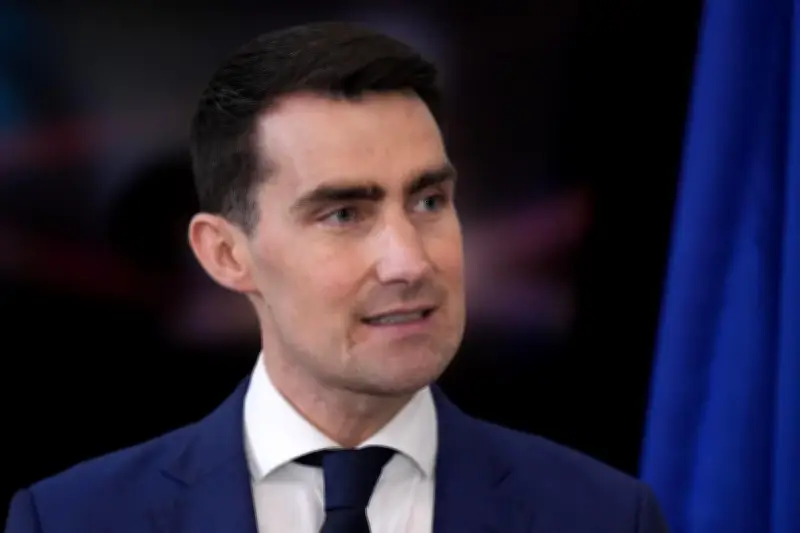
Minister for Public Expenditure Jack Chambers said that the starting pay for a cleaner will increase by 18.3% over the course of the agreement, special needs assistants (SNAs) will rise by 17.2%, and a general operative or healthcare assistant will see an increase of 15.4%. An enhanced nurse starting pay will increase by 13.3%; primary or secondary teachers will see salary increases of 13% or 12.8%; while clerical officers will receive an increase of 17.1%.
Chambers said: “Those on the lowest incomes will receive up to 18.3% over the lifetime of this agreement, inclusive of the local bargaining provision, with minimum benefit for public servants over the life term of the proposed agreement cumulatively at 11.3%.”
Deal details and cost
Under the agreement, the starting salary for gardaí will increase by 5,722 euro from 39,194 euro per year to 44,916 euro per year. The total cost amounts to 5.2 billion euro, spread over 2026 and ending in 2030 in terms of expenditure implications.
Chambers added: “This is a real balance. I think we all want to see priority given to low-middle income workers in the public service who have cost pressures and we have heard that issue. But just in terms of the wider issues, we’re absolutely clear that this is sustainable and affordable for the public finances.”
Review option and union response
The Fianna Fáil minister also said that if there was a “significant contraction” within the Irish economy, the agreement allows for the Government to seek a review of the pay increases. He added that if there was an inflationary spike, the unions would have a legitimate reason to seek a review.
The new pay agreement will be reviewed by the unions representing the public sector over the coming days. Unions will then ballot their members on whether to accept the deal.
In a statement, the public services committee of the Irish Congress of Trade Unions said a draft agreement had been reached. It said: “The new agreement was negotiated following the expiration of the last public service pay agreement at the end of June. It follows work-to-rule action across public services since 30th September, public service-wide strike action on Wednesday 14th October, and a planned public service strike for Thursday 12th November. The public services committee has recommended that unions suspend the strike action and other industrial action to allow affiliates to consider the document and arrange ballots.”
Kevin Callinan, general secretary of Fórsa, said the deal will not be accepted in a “landslide”. Asked what will happen if the agreement is rejected by union members, Callinan told RTÉ’s David McCullagh show: “I think if the deal is rejected, you have a situation where you go back to individual unions to address that situation. I think one thing I can say with pretty much confidence, I don’t think this deal is going to be accepted in a landslide.”
He added that many public servants think the Government is “out of touch”. “I think the real message I’d like to deliver this morning is that it’s going to require more than a pay offer from the Government to repair, I suppose, the relationship between public servants and the Government,” he added.
Pay terms timeline
The deal includes a number of pay terms: September 1 2026 – a pay adjustment of 2% or a minimum payment of 1,200 euro, whichever is the greater. April 1 2027 – a pay adjustment of 1%. August 1 2027 – a pay adjustment of 1% or a minimum payment of 600 euro, whichever is the greater. November 1 2027 – a pay adjustment of 1.5% or a minimum payment of 900 euro, whichever is the greater. March 1 2028 – a pay adjustment of 1%. June 1 2028 – a pay adjustment of 1% or a minimum payment of 600 euro, whichever is the greater. October 1 2028 – a pay adjustment of 1%. March 1 2029 – implementation of the second phase of ‘local bargaining’ of 1%. March 2 2029 – a pay adjustment of 1.25% or a minimum payment of 750 euro, whichever is the greater. The final phase of “local bargaining” will be implemented during the lifetime of the successor agreement. The agreement ends on March 31 2029.
Trade unions will meet over the coming days to analyse the agreement ahead of an expected national ballot.