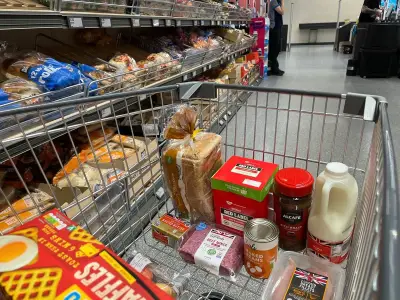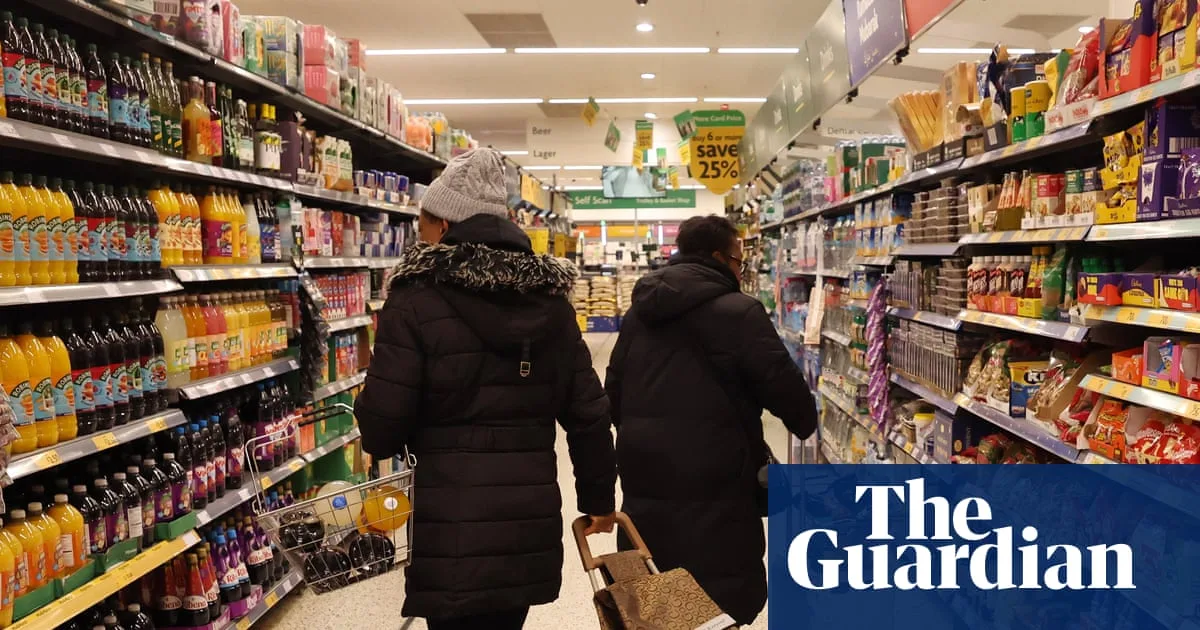
UK grocery inflation unexpectedly rose to 4.3% in the four weeks to 22 February, up from 4% in January, according to market research firm Worldpanel by Numerator. The increase comes as a blow to households already struggling with the cost of living, and has reduced the probability of an interest rate cut by the Bank of England later this month.
The rise in grocery inflation has been compounded by fears of prolonged conflict in the Middle East, which could push energy prices higher. The European Central Bank's chief economist, Philip Lane, warned that a prolonged war could lead to lower oil and gas supplies, causing a 'substantial spike' in inflation and a 'sharp drop in output' in the eurozone, with similar effects expected in the UK.
Financial markets now indicate only a 29% chance of a UK interest rate cut this month, down from 80% last week. UK government borrowing costs rose sharply on Tuesday, with the yield on two-year bonds increasing by 13.5 basis points, as investors priced in higher inflation risks.
Worldpanel's head of retail and consumer insight, Fraser McKevitt, noted that chocolate prices remain high, up 9.3% year on year, though the pace of inflation in that category is easing. Meanwhile, Greggs reported a near-18% drop in pre-tax profits to £167.4m, but said 'easing inflationary pressures' should boost consumer spending.
The data also showed a surge in online grocery shopping, with sales up 9.7% year on year, accounting for 13% of total grocery sales, the highest level since July 2021. Ocado was the fastest-growing grocer with 15.1% sales growth, while Tesco and Sainsbury's increased their market shares to 28.5% and 16.1% respectively.