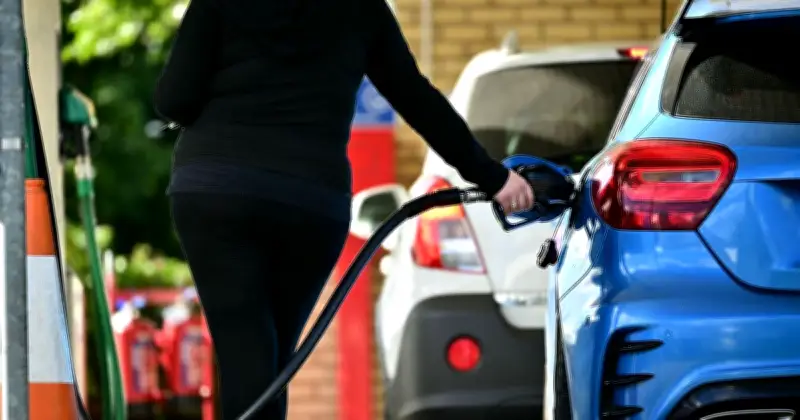
UK inflation has climbed to its highest rate in a year, rising slightly from 3.5% to 3.6%, driven largely by higher energy and fuel bills. The cost of petrol last month was 29.7% higher than a year previously, delivering a significant blow to motorists amid the ongoing cost of living crisis.
Fuel and Food Price Rises
The cost of diesel for ordinary consumers rose by 39.5% over 12 months, while cigarettes were up 12.9%. Other notable increases included pasta and couscous up 7.5%, tea up 4.7%, fish up 6.4%, and fresh fruit up 2.7%.
However, the prices of cheese, chocolate, and jam fell, while food and non-alcoholic drink inflation overall slowed further to its lowest level for more than five years, at 0.8%.
Political and Expert Reactions
Shadow Chancellor Andrew Griffith described the figures as “really bad news”, adding: “Everyone in the UK just got that little bit poorer.”
Emma Reynolds, the Chief Secretary to the Treasury, said: “The conflict in the Middle East and Russia’s illegal invasion of Ukraine have pushed up costs around the world.”
The head of deVere Group, one of the world’s largest independent financial advisory organisations, warned that households across the country would feel the impact of rising fuel costs. Chief executive Nigel Green said: “Four months of rising prices is a trend, and it’s pointing the wrong way. Policymakers spent the summer hoping the energy shock would fade, but it hasn’t. It’s now working its way into every bill, every till receipt and every pay negotiation in the country.”
Bank of England Response
The Bank of England is widely expected to increase interest rates in December in an attempt to get inflation down, which would push up mortgage payments for some homeowners. However, some experts pointed out that rising costs were connected to conflict in the Middle East, which the Bank is powerless to influence.
Green urged the Bank to avoid pushing up interest rates again, after it increased the base rate to 4% earlier this month. “Raising rates won’t lower fuel prices, because those are being set by a war in the Gulf. All a hike does is add a bigger mortgage payment to an energy bill that’s already bigger.”
A Bank of England spokesperson said: “The conflict in the Middle East has caused energy prices and inflation to rise in recent months, and inflation is expected to rise further by the middle of next year due to cost pressures already in the pipeline. The MPC (monetary policy committee) raised the bank rate two weeks ago to limit how much higher energy costs affect other prices, and will continue to set interest rates to make sure inflation returns to the 2% target and stays there.”