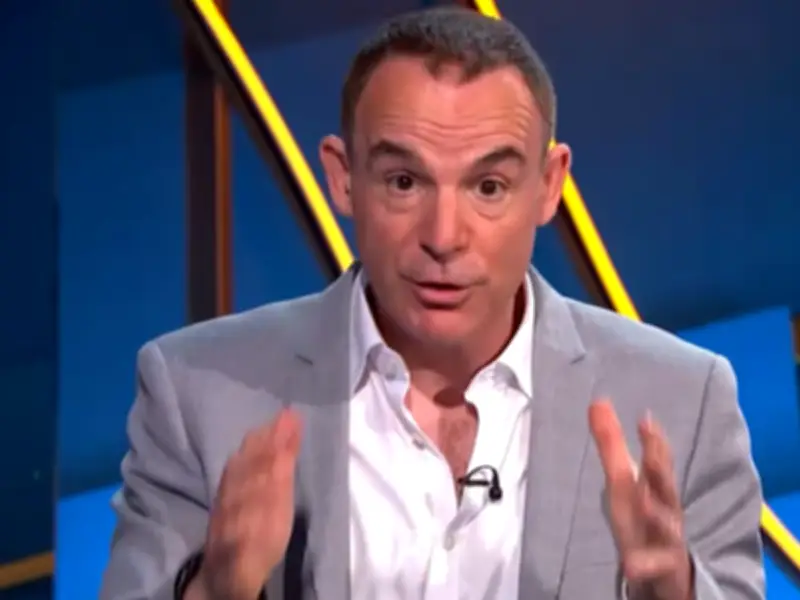
Money Saving Expert Martin Lewis has explained how households will be impacted by the new energy tax reduction announced by Andy Burnham this week. The Prime Minister has confirmed that electricity bills will be exempt from VAT from October 1, initially predicting a cut of £45 from a typical household's annual bill.
Price cap rise may offset savings
However, updated predictions for the Energy Price Cap indicate a rise of 5.1% in October, which "will wipe out any household savings from the VAT cut," says Lewis. The announcement comes amid forecasts that energy prices will remain elevated throughout the coming winter, following a £221 rise to the price cap on July 1, pushing it to £1,862 per year.
Andy Burnham said: "I said I wanted to give people breathing space, and that's what I'm announcing on my second day as Prime Minister. We're taking immediate action to cut taxes on energy bills, put more money in people's pockets and bring back hope."
Martin Lewis details the impact
Martin Lewis spoke of the projections: "I've just got the latest energy bill predictions. The average of three sources show the Price Cap rising 5.1% on 1 October – as the last week has seen very high wholesale rates. An annualised rise of £93 on a typical bill. If this happens, it will wipe out any household savings from the VAT cut during that Price Cap period (those on fixes will still see a 4.8% reduction)."
The Money Saving Expert founder contacted major UK energy suppliers to ask if they will pass on the reduction to all customers from October. Ten firms confirmed they will, including: 100Green, British Gas, EDF, E.on Next, Fuse, Good Energy, Octopus, So Energy, Utilita, and Utility Warehouse.
How the VAT cut works
Martin Lewis detailed how the move will work, explaining that VAT on electricity bills will be cut from 5% to zero between October 1, 2026 and March 31, 2027. He also noted that the cut applies only to electricity bills, meaning those with dual fuel bills for gas and electricity will only see the reduction on the electricity they use. It will be funded in part by scrapping Sir Keir Starmer's digital ID project, estimated to cost around £600 million a year over three years. Funding for the ID scheme was due to come from savings within existing departmental budgets, which will now be reprioritised to fund the VAT cut.