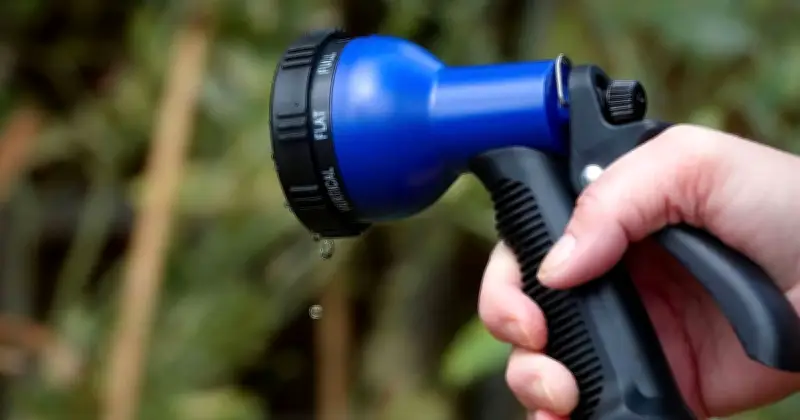
Hosepipe bans, also known as Temporary Use Bans (TUBs), have been issued across various parts of the UK, with 20 million Britons asked to change their behaviour due to pressure on water resources as Britain endures a blisteringly hot summer.
The scorching temperatures began with a late May heatwave, followed by another in June, when temperature records for the month were broken. The mercury rose as high as 37.7C in Norfolk, exceeding the previous June record of 35.6C set in Southampton in 1976. Another heatwave hit early July, lasting as long as two weeks in some places, according to BBC Weather.
Water Firms Impose Restrictions
At least eight major water firms have announced TUBs so far. On Tuesday, July 21, Thames Water joined Affinity Water, Anglian Water, Cambridge Water, Southern Water, South East Water, South West Water and Welsh Water in announcing bans.
The Thames Water restrictions came into effect on Thursday, July 23, with hosepipes not to be used for watering gardens or allotments, cleaning cars, filling paddling pools or swimming pools, or cleaning windows.
Scope of Bans Varies
The bans issued by other providers are already in place and differ in scope. Thames Water is imposing restrictions on all of its supply area, while others, like Affinity Water's ban that began on July 17, only apply to certain parts of their network.
An interactive map is available to see which areas are impacted. Check with your provider for the most up-to-date information on how TUBs could affect you.
Dry Weather Status Expands
The West Country became the latest part of the country to enter prolonged dry weather status on Wednesday. Prolonged dry weather is the step that precedes the declaration of droughts. There is no official threshold for drought, which is assessed and, if necessary, declared by the National Drought Group.
Drought conditions have not yet been declared there, but the Environment Agency says water levels at groundwater sites are "now starting to become below normal or notably low while the forecast remains largely dry with a chance of showers later this month."
Helen Wakeham, Chair of the National Drought Group and Director of Water at the EA, said: "Dry weather depletes our water, while the hot conditions mean we use more of it. This is a difficult combination, and we are seeing the effects on our farmers, our wildlife, and the amount available for public and business use."
"All sectors are taking action, and we are grateful to the public for following the restrictions, where in place, to make sure there is enough water for everyone this summer. We want everyone to stay safe and hydrated during the hot weather but every drop we can save is a drop more for nature and agriculture."