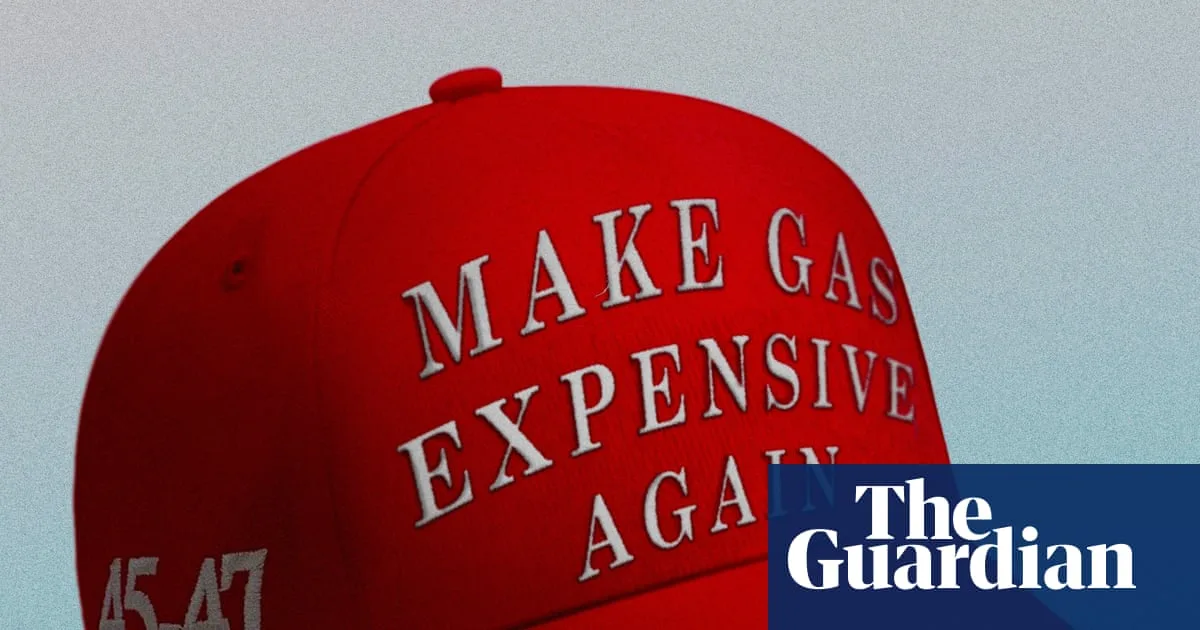
Three weeks after the US and Israel bombed Iran, the prospect of a drawn-out war is causing mounting economic problems, with oil prices soaring above $100 a barrel, European gas prices doubling, and volatility stalking financial markets. Consumers worldwide are bracing for a surge in living costs, while central banks warn the conflict could have a material impact on inflation and dent global growth.
European heavy industry is feeling the pinch in particular, with Huntsman warning its Teesside plant in north-east England is at risk, and Germany's BASF, the world's largest chemicals firm, putting up prices. The cost of fertiliser is rising sharply, hurting farmers worldwide and laying the groundwork for a sharp rise in food prices.
Iran has threatened to send oil to $200 a barrel by targeting shipping through the Strait of Hormuz, as well as refineries and pipelines across the Middle East. Iranian missiles hit Ras Laffan, an important Qatari liquefied natural gas (LNG) processing facility, leading analysts to warn that energy markets are now on the road to a 'doomsday' scenario.
Forecasters say a prolonged conflict could resemble past global economic crises. 'Surging oil and gas prices are harbingers of economic trouble,' said Ian Stewart, chief economist in the UK at Deloitte. 'Higher energy prices, triggered by war or revolution in the Middle East, were important factors in western recessions in 1973, 1979 and 1990.'
The clearest parallels are with the 1980s, when the US sent warships to Hormuz during the Iran-Iraq war. Naval escorts are again being mooted, as history appears to repeat itself.