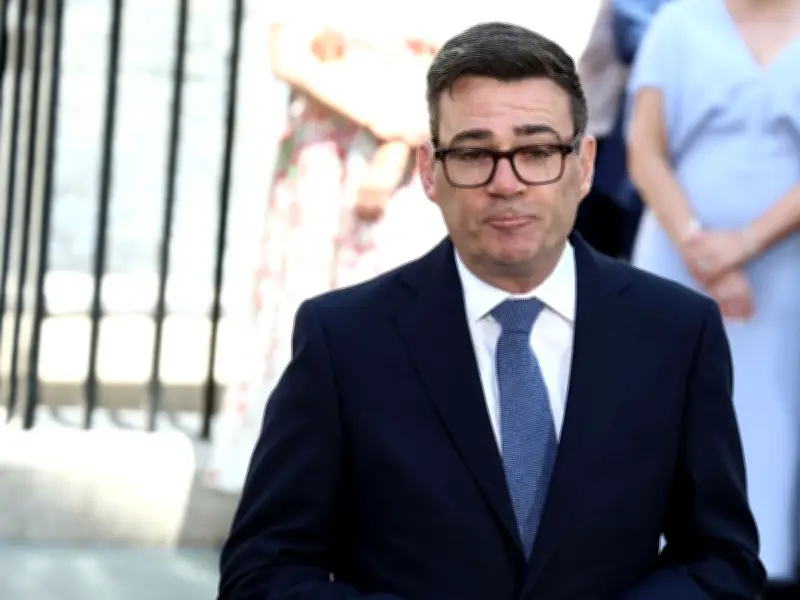
More than 100 UK-based millionaires, including former Match of the Day presenter Gary Lineker, have signed a letter urging new Prime Minister Andy Burnham to tax their wealth. The letter, organised by the group Patriotic Millionaires UK, states: “We want you to tax us. We can afford it. We’re not talking about higher taxes on those who get up and go to work for their income every day, but on the very richest whose income is derived from the wealth they hold.”
The proposal has sparked debate over what a wealth tax entails and the likelihood of its introduction in the UK.
What is proposed?
Patriotic Millionaires, the group Tax Justice UK and others are proposing an annual 2% tax on wealth above £10 million. Tax Justice UK says it would affect around 20,000 people in the UK – fewer than 0.04% of the population. The Unite union has put forward a one-off “emergency” 1% wealth tax on the assets of the super-rich, applying to individuals with fortunes exceeding £4 million, which it claimed would generate approximately £25 billion per year. Doing so could “help fund pay increases for public sector workers to fill the more than 100,000 vacancies in the NHS.”

The Green Party proposed a wealth tax of 1% annually on assets above £10 million, and of 2% on assets above £1 billion. It has also called for reform of capital gains tax to align the rates paid by taxpayers on income and taxable gains. Those behind the 2% wealth tax also back the same overhaul of capital gains tax, claiming it would raise a further £12 billion.
How would it be collected?
Supporters of a wealth tax need to address criticism that it is hard to impose. Tax Justice UK’s answer for its proposal: “Like inheritance tax, it would involve a self-declaration of asset values by the taxpayer, backed up by a compliance team at HMRC. HMRC could also further develop registers of assets. This would help crack down on dirty money too.”
How much could a 2% wealth tax raise?
Those behind the proposal claim it could rake in £24 billion. To put that into context, calculations by the Office for Budget Responsibility suggest increasing the UK’s defence spending to 3% of GDP will demand an additional £17.3 billion per year by 2029/30. It could also fund the equivalent of 600,000 NHS nurses.
Will a wealth tax raise that much?
That is another of the big debates, with sceptics suggesting it would raise much less, potentially considerably less. Nailing down and properly assessing what the super-rich own is a challenge in itself but, critics argue, getting them to cough up so much more is another matter. The argument has always been that, if they’re that wealthy, they can employ the best accountants and tax experts to find loopholes, or simply move their wealth elsewhere. This question of whether the rich would just up sticks and move abroad is hotly contested, especially amid claims there would be an exodus. However, it is certainly true that if a small number of, say, billionaires left then it risks leaving a hole in the tax raising plan.
A report by the independent Wealth Tax Commission in 2020 concluded that “an annual wealth tax is a non-starter in the UK”, adding “we should fix our existing taxes on wealth instead.” However, it did suggest a one-off that could “raise one-quarter of a trillion pounds over five years.” Gary Stevenson, a former City trader and signatory of the Patriot Millionaires’ letter, clashed with leading tax expert Dan Neidle while making the case for a wealth tax in a recent Channel 4 film. Mr Neidle branded the 2% tax proposal “absolute populist claptrap and the people pushing this would be ashamed of themselves.”
What other countries have a wealth tax?
Dan Neidle points out how, in 1990, there were 12 wealth taxes in Europe – now there are only three: Spain, Norway and Switzerland. Spain’s version, for example, starts at 1.7% on those with a net worth €3 million, rising to 3.5% on assets over €10 million. However, it contains generous exemptions. The Norwegian wealth tax applies at 1% on assets above about £140,000, with an additional 0.1% above £1.6 million. The Swiss model varies considerably between cantons.

Is a wealth tax likely to happen?
Those backing the proposal say it has huge public support. A YouGov survey from early 2025 found 75% of just over 4,100 people asked said they were strongly or somewhat supportive of a 2% wealth tax on wealth above £10 million. All eyes are now on Andy Burnham and new Chancellor John Healey. In an interview with Gary Lineker, Mr Burnham refused to rule it out, suggesting his incoming government may have “to ask for a little more” tax at some point. But he also added that he wanted to focus on “bringing people together” rather than creating “new divisions”.