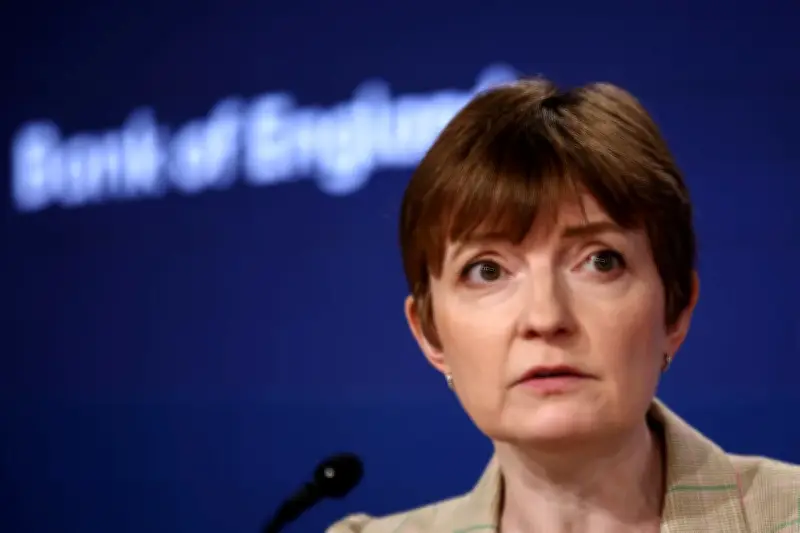
The Bank of England's deputy governor for monetary policy, Clare Lombardelli, has indicated that UK interest rates could rise again in the near future if inflation does not ease. In a speech, she warned that inflation could climb by more than previously feared if the conflict in Iran continues to push up costs, which would require further action on rates to cool price pressures.
Recent Rate Rise and Inflation Forecast
The Bank's monetary policy committee voted last week to increase rates from 3.75% to 4%, the first rise in more than three years. The Bank also forecast that inflation would jump to around 5% in the second quarter of 2027, up from the current level of 3.5%.
Governor Andrew Bailey has said further rate increases are likely if the war remains unresolved, though he did not specify a timeline.
Policymaker's Warning on Inflation Risks
Speaking at the Bank of England Watchers Conference, Lombardelli said: "In the absence of evidence of weaker inflation pressures, I continue to think there is likely to be a case for a further increase in rates in the near term."
She added: "The balance of risks to inflation remains to the upside. The energy shock has lasted longer and become larger than expected, activity has been more resilient and recent data suggest that underlying disinflation may have stalled."
Lombardelli noted that the issue is not only the conflict and its impact on energy costs, but also how those costs feed through to price and wage setting across the economy. However, she said the Bank should raise rates "gradually" and not try to "anticipate today the full policy adjustment that will ultimately be needed to return inflation sustainably to target".
Focus on Jobs Market
Lombardelli also stressed that she would be closely examining the jobs market, including factors affecting vacancies and youth unemployment. She said: "Too many people are struggling to get in or move on. The challenge is not simply to keep unemployment low. It is to help the labour market shift up a gear."
She added: "In setting monetary policy, I will continue to look beyond the headline numbers: at whether hiring is recovering, whether people can move towards the jobs available, and whether labour market weakness is genuinely easing wage and inflation pressures."
Most economists expect another rate rise in February, while some believe a cut could come as soon as December. The timing remains unclear and is seen as highly dependent on progress in talks to end the Iran war, with oil having dropped below 90 dollars a barrel on Thursday on hopes of a resolution.