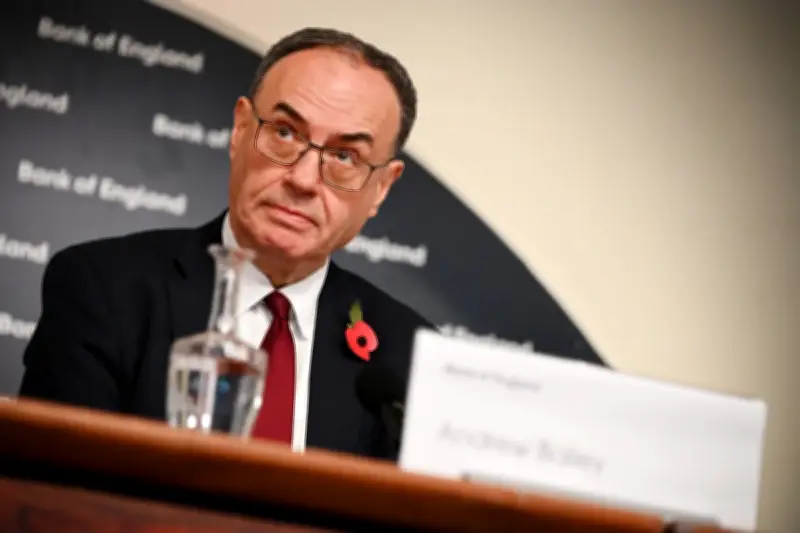
The Bank of England has increased interest rates for the first time in more than three years, lifting the base rate to 4% from 3.75% as it warned that inflation is set to climb to around 5%.
Policymakers on the Monetary Policy Committee (MPC) voted unanimously for the rise, which is aimed at combating the rising cost of living for British households and businesses. Governor Andrew Bailey also cautioned that further hikes are likely if the Iran war is not resolved.
The decision marks the first increase in borrowing costs since August 2023. It came as the central bank sharply raised its inflation forecasts due to a recent jump in energy and fuel prices linked to the Iran conflict.
Oil Prices and Inflation Pressures
Oil prices have eased back in the past two days on hopes the conflict might ease, but Bailey stressed that some price increases are “already in the pipeline” for households even if the war finds a swift resolution.
All nine members of the committee voted for a hike, although one member, Catherine Mann, preferred a bigger jump of 0.5 percentage points. The MPC said it needed to act to control rising inflation, which was being pushed higher by the impact of the US and Israel’s ongoing conflict with Iran on global energy and fuel prices.
Bailey said: “There is now enough inflationary pressure in the pipeline caused by the rise in energy prices that an increase in Bank rate is warranted.
“Today’s increase shouldn’t be seen as the first in an inevitable long sequence of hikes.
“But, unless the conflict in the Middle East is resolved, neither does it seem likely to be the last increase.”
Impact on Households and Businesses
The MPC noted that many companies had so far been absorbing higher energy costs into their profit margins or had hedged against large spikes since the war began around nine months ago. However, it warned that such “buffers would only prove temporary and these cost pressures would eventually pass through into higher consumer prices if the energy shock persisted”.
This means households could face price rises in shops for food, drink and other goods and services. Chancellor John Healey said: “The Iran conflict is reaching deep into the pockets of families and businesses here at home.
“In my Budget I acted to give some breathing space to families and businesses. Twenty million households will get a £100 energy payment, I extended the tax cut on electricity bills and froze fuel duty.
“I also set out the course ahead to get costs down for good. That includes big changes to our energy system so Britain is better protected from global shocks in the future.”
Inflation Forecast and Economic Growth
The Bank of England said it expects inflation to continue to accelerate in the coming months before peaking at “around 5%” in the second quarter of 2027. It is then likely to steadily fall until it reaches the central bank’s 2% target in the third quarter of 2028.
The projected rise comes despite efforts from Andy Burnham’s Government to support households in last week’s budget. Bank research indicated that measures such as the removal of VAT from household electricity bills are likely to reduce the inflation rate by around 0.25% in the second quarter of next year.
Household energy bills are set to be a particular driver of inflation, with expectations that regulator Ofgem will increase its price cap by almost 25% to an average annual bill of £2,150 in January. The Bank predicted that British households will also face more expensive food, with food inflation expected to rise as high as 4.8% next year, linked to higher energy costs for manufacturers and potential supply chain pressure from the El Nino weather system.
Despite this, the Bank said the UK economy has been more resilient than previously predicted, with higher business investment partly linked to AI helping to drive stronger growth. It said the economy is on track to grow by 1.6% this year, up sharply from a previous forecast of 1.1%, and by 1.3% next year. However, it downgraded growth forecasts for 2028 and 2029 as elevated inflation and interest rates weigh on demand.
Economists expect another hike in the coming months. Thomas Pugh, chief economist at RSM UK, said: “The longer the shock lasts, the greater the risk that it becomes embedded in domestic wage and price setting. That points to more hikes to come.
“Unless energy prices fall dramatically and stay down over the winter, another rate hike in February looks a sound bet.”
Matt Swannell, chief economic adviser to the Item Club, said: “The timing of the next hike is now less clear and looks very likely to be determined by how wholesale energy prices move over the coming weeks.
“For now, a December hike looks like a coin toss.
“But we think it’s likely that the bank rate will be at 4.25% by February – there’s a good chance that by that point, as the economy will have entered the 2027 pay settlement season, that the Committee will take another look at the need for more hikes, as by then it will have started to see if second-round effects are beginning to emerge.”