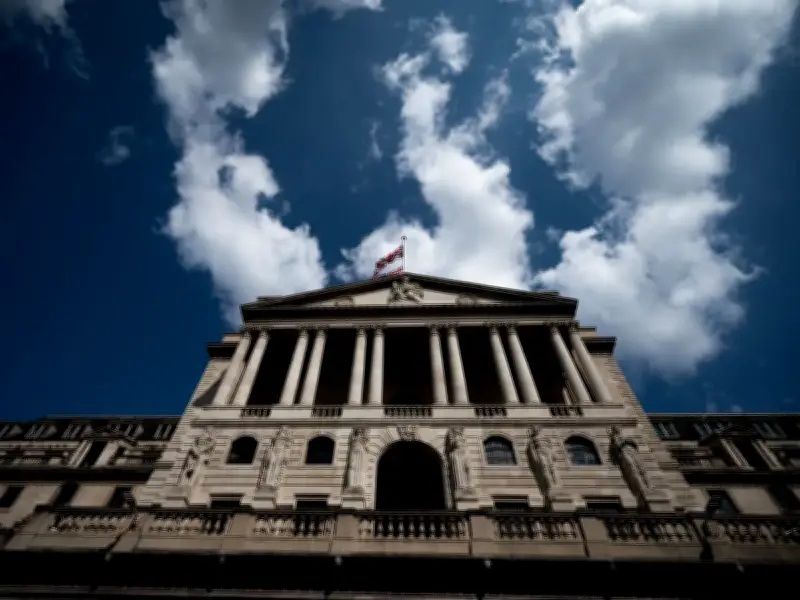
The Bank of England has voted to raise interest rates for the first time in three years, increasing the Bank Rate to 4% from 3.75%. The decision comes as policymakers said CPI inflation could now reach as high as 5%.
The rate-setting Monetary Policy Committee (MPC) voted 8-1 in favour of the increase, marking the first time the bank has raised borrowing costs since August 2023.
Inflation Pressures Build
Pressure on ratesetters to act has grown since the Consumer Prices Index (CPI) inflation rate rose to 3.5% in September, the highest level in 11 months. The Iran war has helped push CPI inflation further from the Bank's 2% target rate, driven by rising petrol and diesel prices.
Inflation is also set to rise again this winter after Ofgem's energy price cap rose by 3.6% for a typical household on October 1. It is forecast to rise a further 22% in January.
Global and Domestic Context
Other central banks have already increased their interest rates. The US Federal Reserve raised its rate last month for the first time in three years.
The MPC has also considered other economic measurements, including the UK's unemployment rate, which fell to the lowest level in more than a year in the three months to August, reaching 4.7%. In August, the UK economy unexpectedly grew by 0.1%, suggesting the country remains resilient despite cost of living pressures and the impact of the Iran war.
Bank's Statement
The Bank said: "The conflict in the Middle East is now in its ninth month. Global energy prices have continued to rise from an already elevated level. UK CPI inflation increased to 3.5% in September. It is now expected to rise to around 5% by the middle of next year. It is then projected to fall as the impact of rising energy prices on 12-month inflation rates fades, and still restrictive monetary policy bears down on inflation.
"While the direct effects of higher energy prices are clear, and will continue to feed into firm and household energy bills, there remains limited evidence of knock-on effects on other prices and wages. However, the degree of inflationary pressure in the pipeline is now sufficient to warrant an increase in Bank Rate. Activity data in recent months have generally been stronger than expected, adding to the case for modestly tighter monetary policy."