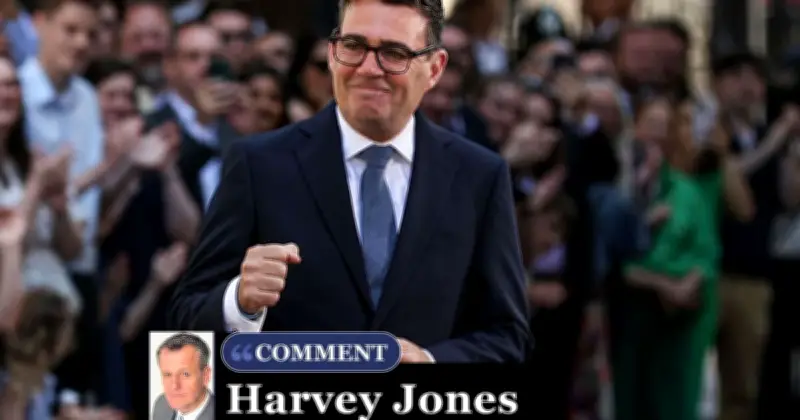
Andy Burnham's first days as Prime Minister have been marked by a series of unfunded spending pledges that have quickly collided with fiscal reality. The new Labour leader, who swept into Number 10 on a wave of support from MPs, has found himself forced into U-turns as Chancellor Rachel Reeves has already spent all available funds.
Burnham began his tenure by proposing to increase the tax-free personal allowance, axe the 5% VAT on electricity bills, cut the bus fare cap from £3 to £2, and reduce business rates for pubs by 20%. However, each pledge has run into the same problem: a lack of money.
Costly Proposals
The personal allowance hike would cost £3.7 billion a year, money the government does not have. The lower bus fare cap could cost £500 million, temporarily axing VAT on electricity bills another £850 million, and the pub business rates cut a further £100 million. That totals £1.4 billion spent in just four days.
Keir Starmer loyalist Darren Jones quickly mocked plans to fund the electricity VAT cut by scrapping the planned digital ID scheme, noting that pledge was also unfunded. The Treasury is now scrambling for savings, such as targeting vape shops, to fund Burnham's largesse.
Fiscal Constraints
Labour has a history of overspending under Denis Healey, Gordon Brown, and now Rachel Reeves. Burnham would happily spend more, but Reeves got there first. The bond market has been watching every unfunded spending pledge since the Liz Truss calamity, with gilt yields back above 5% and the Iran war expected to drive inflation and interest rates higher.
Burnham's U-turns have already started. He floated the idea of hiking the personal allowance, then quickly backtracked. The Prime Minister must now understand that Britain is short of cash, and his voter-friendly promises cannot be delivered without the funds to back them.