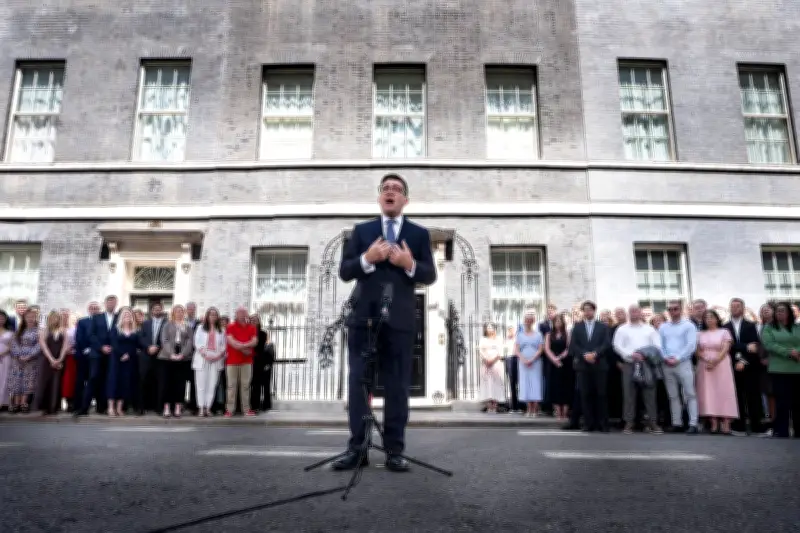
Prime Minister Andy Burnham has announced an £850 million tax cut on energy bills to help ease the cost-of-living crisis in his first significant policy since taking office. From October 1, energy bills will be VAT-free, saving households around £45.
Funding and Impact
The move will be funded in part by scrapping Sir Keir Starmer’s digital ID project, which had been estimated to cost around £600 million per year over three years. Funding for that scheme was due to come from savings within existing departmental budgets, which will now be reprioritised to fund the VAT cut. The energy price cap set by Ofgem is forecast by industry analysts to be £1,849 for a typical household, although the resumption of military action in the US-Iran war could push prices higher due to disruption to global oil and gas markets.
Officials said the VAT cut, from 5% to 0%, is estimated to reduce the consumer prices index measure of inflation by around 0.10 percentage points. The policy will cost the Exchequer around £850 million in 2026/27.
Prime Minister's Statement
The Prime Minister said: “I said I wanted to give people breathing space, and that’s what I’m announcing on my second day as Prime Minister. We’re taking immediate action to cut taxes on energy bills, put more money in people’s pockets and bring back hope.”
Energy suppliers are expected to pass the VAT reduction on to all customers, including those on fixed tariffs, the Government said.
Chancellor's Remarks
Chancellor John Healey said: “For too long, too many people have struggled with the cost of living. Today’s energy tax cut will give families some breathing room on bills, and provide some reassurance this winter. This measure is funded this year from cancelling the digital ID programme, and it will help bring down inflation while supporting households in every postcode.”
Northern Ireland Exception
Due to Brexit, EU VAT rates apply on electricity bills in Northern Ireland so the cut will not apply there. Instead, the Stormont executive will be given funding to implement an equivalent level of support.
Cabinet Reshuffle
Mr Burnham will chair the first meeting of his new Cabinet on Tuesday after a purge of Sir Keir’s allies. The sweeping changes started with the appointment of Mr Healey as the new Chancellor to replace Rachel Reeves. Other major figures jettisoned include ex-deputy prime minister David Lammy, former attorney general Lord Hermer, and former housing secretary Steve Reed.
Louise Haigh, a key ally of Mr Burnham who was instrumental in getting him into No 10, was made First Secretary of State and Chancellor of the Duchy of Lancaster, giving her a powerful role as a fixer across government. Ed Miliband was appointed Foreign Secretary, and Shabana Mahmood remains as Home Secretary, while Wes Streeting became the new Defence Secretary, and Angela Rayner returned to Government as Housing Secretary.
The Department for Science, Innovation and Technology (DSIT) was scrapped, with responsibilities for its areas of policy assigned to other departments. Jonathan Reynolds was made Business Secretary with a beefed-up portfolio that now includes science and innovation, while Lisa Nandy remained as Culture Secretary with an extended brief covering digital. Kanishka Narayan will attend Cabinet as AI Minister.
Hamish Falconer will lead work on the UK’s post-Brexit relationship with the European Union, while Ellie Reeves, sister of the ex-chancellor, has been promoted to Attorney General. Anneliese Midgley, who played a major role in Mr Burnham’s return to Parliament and ascent to No 10, has been made chief whip.
A No 10 source said the new Cabinet brought together all parts of the Labour Party to deliver Mr Burnham’s agenda for the country.