Ofgem has announced it is raising its price cap to £1,723 per year for a typical dual fuel household, up £60 or 4% on current levels.
What is Ofgem's price cap?
The energy price cap sets a maximum price that suppliers can charge customers in England, Scotland and Wales for each unit of gas and electricity they use. It also sets a maximum daily standing charge – the cost of having your home connected to the grid.
The headline price cap figure provided by Ofgem indicates what a household using gas and electricity and paying by direct debit can expect to pay if their energy consumption is typical. In July, Ofgem changed how it calculates the estimated energy use of a typical household. It now recognises that households are using less energy than they were before because of factors including improved energy efficiency, warmer weather and higher prices.

It is important to note the price cap does not limit a home's total bills because people still pay for the amount of energy they use – so if that is above the average they will pay more, and if it is below they will pay less. Energy is regulated separately in Northern Ireland.
What's changing with my energy bill this time?
The price cap taking effect from October 1 will rise by 4%, effective for the three-month period to December 31. This takes energy price cap rates to a three-year high. Customers will see a price increase of around 1% on their electricity bills, while gas bills are rising by 8%.
Ofgem said bills are going up largely because of higher wholesale gas prices as a result of the ongoing conflict in the Middle East, which has pushed up the cost of supplying energy in the UK.
What is the Government doing to help?
The Government has said it will remove VAT from electricity bills from October 1 to March 31, 2027. Without this intervention, the headline price cap figure would have been around £45 higher for a typical household. People will still pay 5% VAT for gas, meaning some households might not see the full impact of the VAT reduction on electricity in their bill.
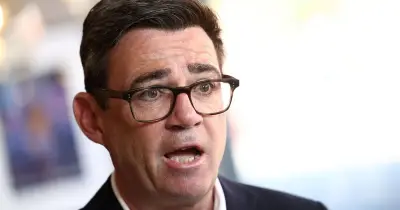
Households who use more electricity, or only use electricity, will see a bigger reduction in their bill. The discount is automatically applied by suppliers, including to customers currently on a fixed-rate tariff. Prime Minister Andy Burnham said the VAT removal was planned “to give people that little bit of help”.
Does the Government's previous support still apply?
Under former chancellor Rachel Reeves, £150 of costs were removed from average bills earlier this year. This was achieved by shifting 75% of the renewables obligation (RO) costs from household energy bills into general taxation, and ending the energy company obligation (Eco) scheme introduced by the former Conservative government. The changes have mainly translated through to customer bills by a cut to households' electricity unit rates.
Are prices going to keep going up?
Unfortunately, early predictions suggest bills are going to rise by even more next year. Analysts Cornwall Insight's first forecast for January to March puts the cap at £1,872 a year, up 9% on October's level. This would mean households could face a bigger squeeze on budgets as the colder weather arrives.
The January figure will not be confirmed until November, during which time conditions in wholesale energy markets could change. The Government will also deliver its autumn Budget in October, which could include more targeted support measures for households.
Do I need to do anything?
Currently, about 35% of household energy accounts – or 11 million – are on fixed tariffs and therefore unaffected by the rising price cap. Ofgem said households could make savings by choosing a fixed tariff, which are available at £100 or more below the October price cap.
Experts recommend looking for deals that are cheaper than the price cap, not longer than 12 months and without significant exit fees. People can use websites to compare gas and electricity unit rates and standing charges in their region, from a range of suppliers.

Price comparison site Uswitch said there are currently 17 fixed deals available that are below the new October price cap, with the cheapest about 10% lower. Richard Neudegg, its director of regulation, said: “The best current fixed deals will save you money straight away, let you avoid this increase, and protect you from future price shocks in January. With January's potential rise already looming, fixing before October is the only way to dodge a double blow to your energy bill.”