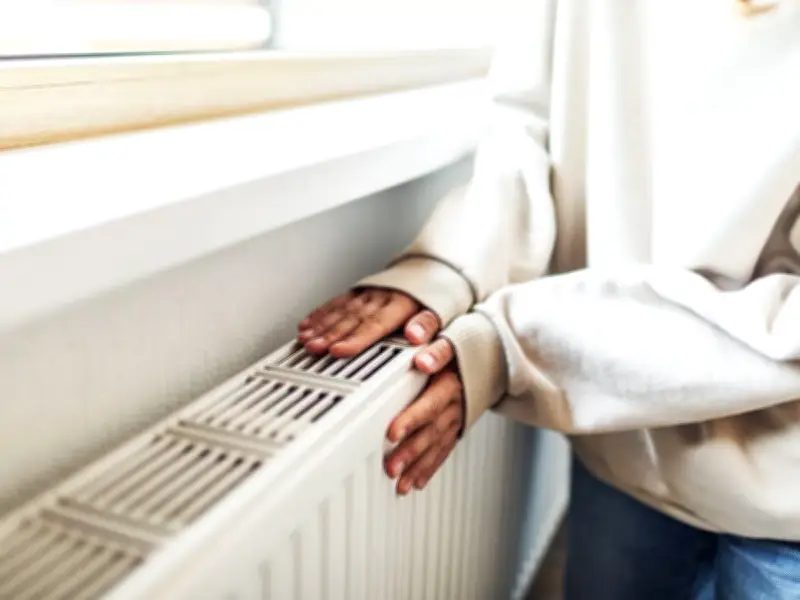
Experts at Which? have urged households to carry out four simple tasks to improve radiator efficiency, maximising heat output and avoiding wasted energy. With temperatures across the UK dropping significantly in recent weeks, many households have switched on their heating, and concerns over rising energy bills remain.
Four tasks to boost radiator performance
Which? advises completing four straightforward jobs to ensure radiators perform optimally, prevent energy waste and keep bills under control. These tasks require minimal time but can improve heating efficiency and radiator performance.
Remove dust from the middle of the radiator
The first step is to clean the radiator, as dust can reduce efficiency and prevent heat from dispersing throughout a room. A specially designed radiator duster can reach between panels to extract trapped dust, fluff and allergens. Simply insert the duster into the middle of the radiator and the dust falls to the floor.
Install radiator foil
Radiator reflector foil is a thin panel or sheet designed to prevent heat escaping through the backs of radiators, particularly useful when a radiator sits against an external wall. According to the Energy Saving Trust, radiator reflectors can reduce your carbon footprint and save up to £18 and £20 on energy bills in Great Britain and Northern Ireland, respectively. If the foil is not readily available, Which? explained that households could use kitchen foil instead, measuring the gap between brackets, cutting the foil to size and fixing it with double-sided tape.
Move large items and bleed the radiator
Furniture such as sofas or tables placed directly in front of a radiator can undermine the heating system. Which? said: "This will help the radiator to heat your space quicker," advising at least a one-foot gap between the appliance and furnishings.
The final job is bleeding the radiator to remove trapped air, which prevents hot water from reaching the upper section. To bleed, switch off the heating and allow 20 to 30 minutes for the radiator to cool, place a cloth beneath the bleed valve, insert a radiator key or flat-head screwdriver and rotate anticlockwise. When water begins to trickle out, turn the key clockwise to shut it firmly, taking care not to overtighten. If unsure, it is advisable to call in a professional.