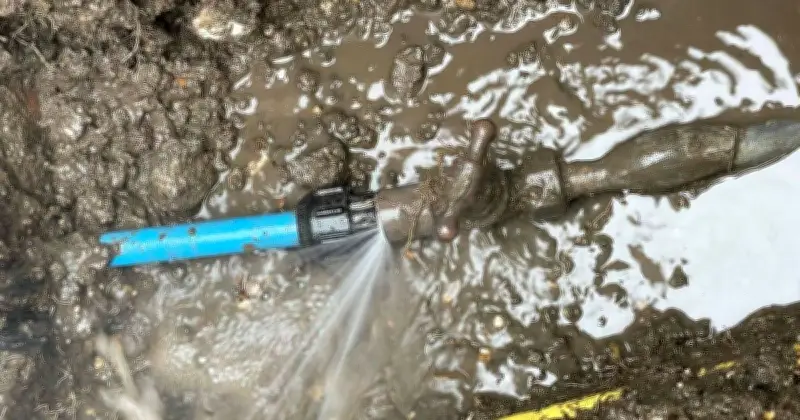
A two-second check of your water meter could reveal a hidden leak before it causes serious damage, according to an engineer who has also highlighted the "biggest mistake" homeowners make. Hamaad Janjua, an engineer at ADI Leak Detection, advises homeowners to compare water meter readings taken before and after leaving the house.
Why Early Detection Matters
Janjua, based in Giffnock near Glasgow, notes that many hidden leaks develop slowly, and homeowners often dismiss early warning signs until significant damage has occurred. Water regulator Ofwat estimates that leaks in plumbing and supply pipes at homes and businesses across England and Wales waste up to £1.6 billion worth of water a year.
Five Checks Every Homeowner Should Carry Out
The first check is the water meter. Turn off taps and appliances that use water, wait for tanks and toilet cisterns to finish refilling, then take a reading before going out. Take another reading on return without using water in between. If the number has risen, a leak may be present. For the most accurate results, wait three to six hours between readings.
The second check is boiler pressure. If pressure keeps falling after topping up, a leak in the heating system could be the cause. "One of the biggest mistakes is repeatedly topping up boiler pressure without investigating why it's dropping," said Janjua.
Third, feel for a warm patch on the floor. An unexpectedly warm spot could mean hot water is escaping from a pipe underneath, especially if the boiler is also losing pressure.
Fourth, watch for damp patches or mould. A new damp patch or spot of mould can be an early clue; homeowners should monitor whether it spreads or returns after drying.
Fifth, listen for running water when everything is off. Once taps are off and the toilet has finished refilling, any sound of running water with no visible source could indicate a leak out of sight.
Avoiding Costly DIY Damage
In one recent case, a homeowner lifted kitchen floorboards searching for a leak, damaging the flooring and surrounding walls. An ADI Leak Detection engineer later traced the leak to the hallway.
"We also see homeowners unnecessarily lifting floors or breaking into walls trying to find leaks themselves," said Janjua. "Professional leak detection can often pinpoint the problem without widespread disruption."